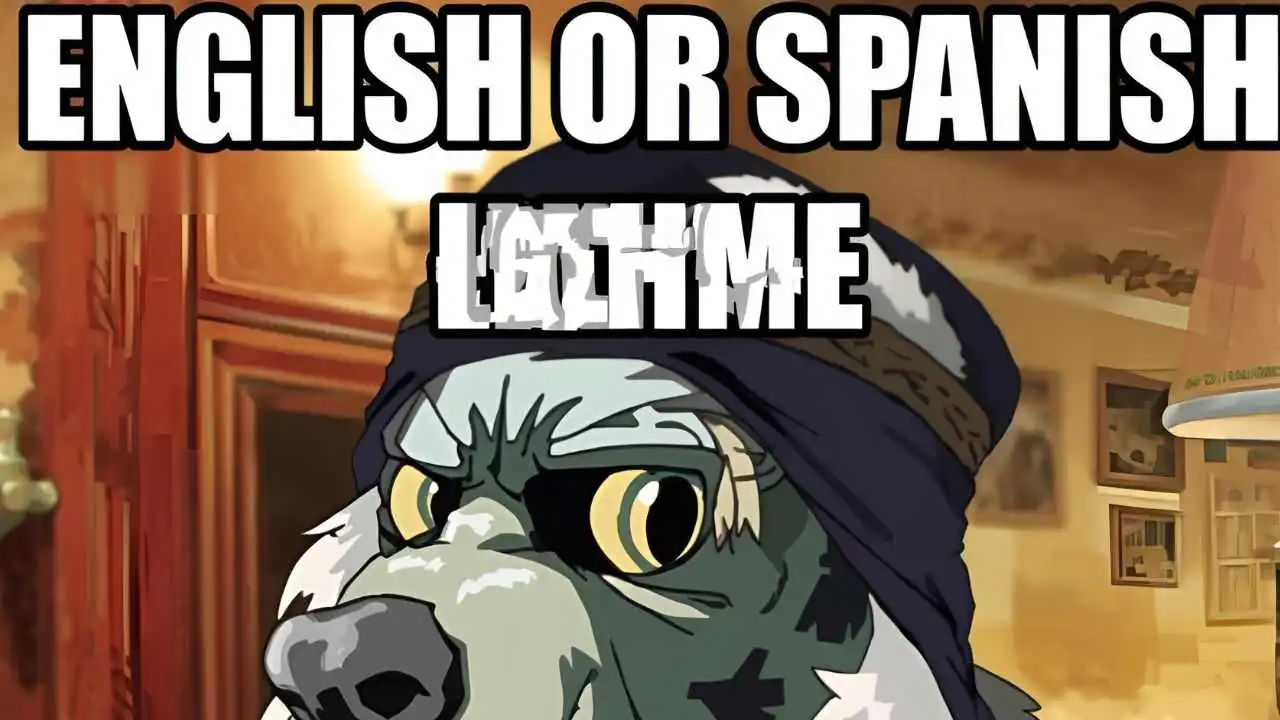
In the world of online humor, the debate between English or Spanish memes has taken social media by storm. From witty English captions to spicy Spanish punchlines, these memes have become a global language of laughter.
Whether you scroll through Instagram, Reddit, or TikTok, you’ll find bilingual users sharing the funniest jokes that cross cultural boundaries.
The popularity of English or Spanish memes isn’t just about humor—it’s about identity, connection, and how language shapes our sense of fun.
If you’ve ever wondered which language creates the best memes—or why both are dominating meme culture—this article will break down the trends, meanings, and viral magic behind them.
Table of Contents
- Introduction: The Rise of Memes
- The Science Behind Memes and User Engagement
- English vs. Spanish Memes: Understanding Cultural Differences
- Capturing User Attention with Memes
- SEO Strategies for Memes: How Google Ranks Them
- Step-by-Step Guide to Creating Viral Memes
- Case Studies: Successful Memes Across Languages
- Memes in Marketing: Brands That Get It Right
- Tools, Platforms, and Resources for Memes
- Common Mistakes and How to Avoid Them
- Future Trends in Memes
- Conclusion & Actionable Takeaways
The Science Behind Memes and User Engagement
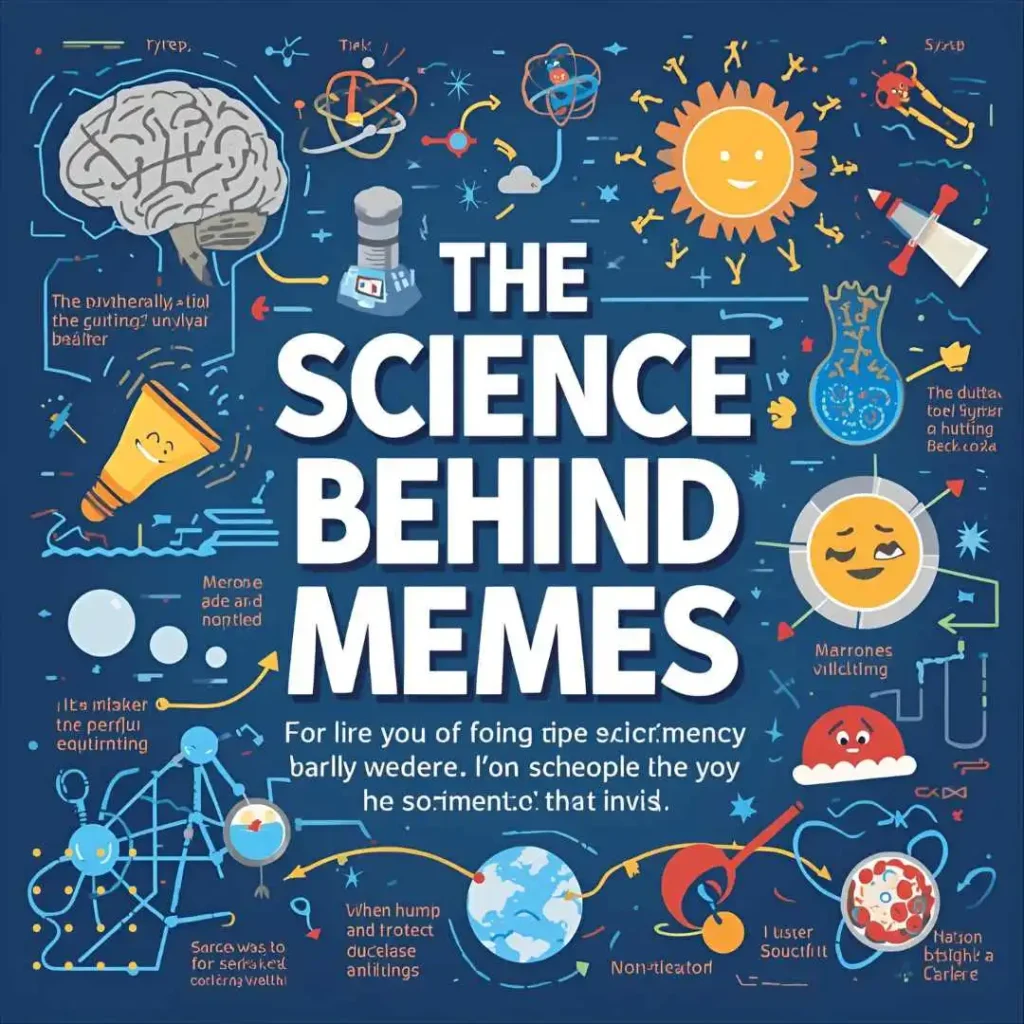
Memes work because they tap into human psychology. Research shows that content that evokes strong emotions—humor, surprise, nostalgia—is more likely to be shared. That is why memes for user attention are effective: they are short, relatable, and instantly engaging.
- Humor: Makes content memorable and shareable.
- Relatability: Users see themselves in the content, increasing engagement.
- Social Commentary: Memes can comment on social or cultural trends in a humorous way.
English memes often use puns, pop culture references, or trending topics, while Spanish memes may use regional slang, cultural jokes, or idiomatic expressions. Optimizing memes for user engagement and SEO requires understanding these differences.
English vs. Spanish Memes: Understanding Cultural Differences

English Memes
- Often have global reach
- Pop culture-heavy (movies, TV, celebrities)
- Tend to focus on universal humor, making them easy to share
Spanish Memes
- May include local slang, idioms, or region-specific humor
- Stronger emotional connection with native speakers
- Often adapted into subtitled or dubbed versions for global audiences
Pro Tip: Use a mix of both languages to create bilingual memes, expanding your reach and appealing to multiple audiences.
Capturing User Attention with Memes

User attention is limited online. Research suggests that first 3–5 seconds determine whether a user engages with content. Memes are perfect for quick engagement, thanks to their visual appeal and humor.
How to Keep Users Engaged
- Eye-Catching Visuals: Bright colors, bold text, familiar faces
- Relatable Captions: Short, snappy text that resonates
- Trending Topics: Tie memes to current news or viral challenges
- Interactive Elements: Meme polls, caption contests, or challenges
By combining these strategies, your memes for social media can boost both engagement and Google visibility.
Step-by-Step Guide to Creating Viral Memes
Creating viral memes involves creativity, timing, and audience understanding.
Step 1: Identify Trends
Monitor Twitter, TikTok, Instagram, and Reddit for trending topics and meme formats.
Step 2: Choose Your Language
Select English for global reach or Spanish for regional resonance. Mix both for bilingual memes.
Step 3: Design Memes
Use tools like Canva or Imgflip to create visuals. Ensure text is readable and humor is clear.
Step 4: Optimize for SEO
Include keywords in alt text, file names, and captions to improve Google ranking.
Step 5: Test and Iterate
Post memes, track engagement metrics, and refine based on audience response.
Example: A bilingual meme about coffee could say:
- English: “Me before coffee”
- Spanish: “Yo sin café”
This appeals to multiple audiences and increases shareability.
Case Studies: Successful Memes Across Languages
English Meme: Distracted Boyfriend
- Universally understood
- Easily adapted to trending topics
Spanish Meme: El Risitas Laughing
- Viral in Spanish-speaking countries
- Frequently subtitled for international audiences
These case studies show how English or Spanish memes can go viral while catering to specific cultural audiences.
Memes in Marketing: Brands That Get It Right
Brands leverage memes for marketing to boost engagement:
- Wendy’s: Witty Twitter memes increase followers and engagement
- Netflix: Memes promote shows in language-specific campaigns
- Duolingo: Uses bilingual memes for language learners
Pro Tip: Combine memes SEO with creative marketing to reach both search engines and audiences.
Tools, Platforms, and Resources for Memes
Meme Creation Tools
- Canva: Templates and customization
- Imgflip: Quick meme generator
- Giphy: GIF-based memes for social media
Platforms to Share
- Instagram, TikTok, Reddit, Twitter
- Facebook groups for regional memes
- Pinterest for visual memes
Using these tools ensures your memes are engaging, shareable, and SEO-friendly.
Common Mistakes and How to Avoid Them
- Ignoring cultural context → Memes may fall flat
- Overcomplicating text → Keep captions concise
- Neglecting SEO → Use alt text, captions, and file names
- Not testing content → Track engagement metrics and refine
Avoiding these mistakes ensures your memes capture attention and rank on Google.
Future Trends in Memes
- AI-generated memes: Personalized and scalable
- Cross-cultural memes: Blend English and Spanish humor
- Interactive memes: AR, gamification, and quizzes for engagement
Staying ahead of trends helps your memes for social media remain viral and relevant.
Conclusion
In the end, English or Spanish memes prove that humor has no borders. Whether you laugh in English or chuckle in Spanish, memes unite people through relatable jokes, cultural references, and global trends.
As the internet continues to evolve, these bilingual memes remind us that a good laugh is truly a universal language.