
Did you know that 1 in 10 drivers experiences a flat tire each year? If you’ve never been stuck on the side of the road with a thumping tire, consider yourself lucky — but sooner or later, it could happen to anyone.
Here’s the truth: changing a tire isn’t scary or complicated. With the right tools, a clear step-by-step plan, and a bit of confidence, you can handle a flat tire safely and efficiently — without waiting hours for roadside assistance.
In this guide, you’ll discover how to change a tire, from tools to safety tips, step-by-step instructions, and FAQs — everything a driver needs to know to stay prepared and stress-free.
🧰 Essential Tools for Changing a Tire

Before you face your first flat, make sure your car has these items:
- Spare Tire (Properly Inflated)
- Car Jack – Check your manual for correct placement.
- Lug Wrench (Tire Iron)
- Wheel Wedges or Bricks – Prevents rolling.
- Owner’s Manual – Shows jack points and tire specs.
- Flashlight – Extra batteries for night emergencies.
- Gloves & Rags – Protect hands and keep clean.
- Reflective Triangles or Flares – Increase visibility.
💡 Pro Tip: Keep a tire repair kit and portable air pump as a backup, especially if your car doesn’t have a spare.
⚙️ Step-by-Step Guide: How to Change a Tire
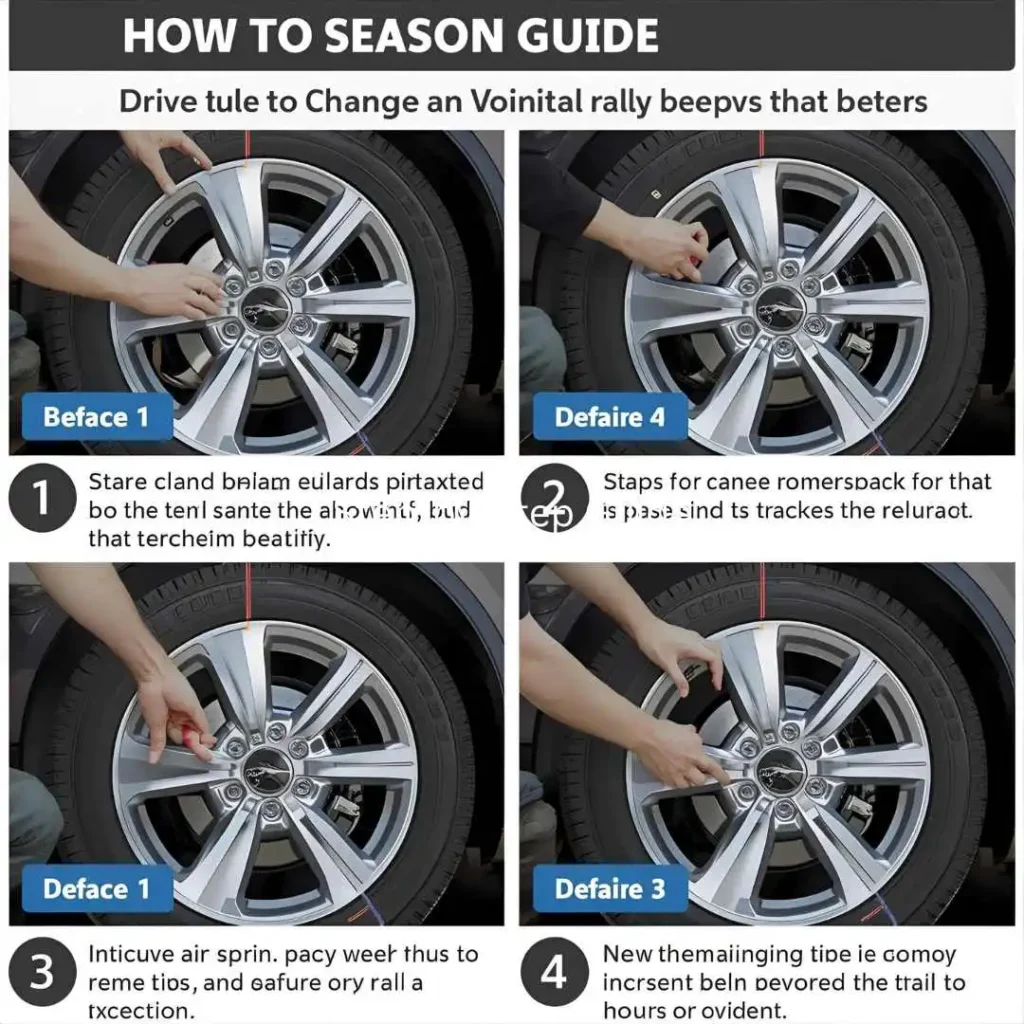
Here’s the complete, safe, and efficient method to change a tire.
Step 1: Pull Over to a Safe Spot
- Reduce speed gradually; avoid sudden braking.
- Find a flat, stable surface, away from traffic.
- Turn on hazard lights immediately.
💡 Extra Safety: On highways, try to reach a rest area or parking lot rather than stopping on the shoulder.
2: Secure Your Vehicle
- Apply the parking brake.
- Place wheel wedges behind or in front of the tires opposite the flat.
- Make sure your car is stable before working.
3: Remove Hubcaps (If Present)
- Use the flat end of the lug wrench to pry off hubcaps.
- Some modern cars don’t have hubcaps — skip if not applicable.
4: Loosen the Lug Nuts
- Turn lug nuts counterclockwise about ¼–½ turn while the car is on the ground.
- Don’t remove completely yet — full removal happens after lifting the car.
5: Lift the Vehicle Using the Jack
- Locate the jack point from your owner’s manual.
- Place the jack on solid, flat ground.
- Raise the car until the flat tire is about 6 inches off the ground.
⚠️ Never put any part of your body under the car while it’s lifted.
6: Remove the Flat Tire
- Unscrew the loosened lug nuts completely.
- Pull the tire straight toward you and set it flat on the ground.
7: Mount the Spare Tire
- Align the spare with the lug bolts.
- Push until the tire sits snugly against the hub.
8: Hand-Tighten Lug Nuts
- Tighten nuts by hand in a star pattern.
- Ensures even seating of the tire.
9: Lower the Car & Fully Tighten Nuts
- Lower the jack until the tire just touches the ground.
- Use lug wrench to fully tighten nuts in a star pattern.
- Lower the car completely and remove the jack.
Step 10: Check Tire Pressure & Replace Hubcap
- Confirm spare tire pressure matches recommended PSI.
- Reattach hubcap if compatible.
- Clean up tools and store the flat tire safely.
💡 Pro Tip: Drive slowly and avoid highways until tire replacement. Compact spares are not built for long distances.
🚦 Safety Tips & Best Practices

- Check Spare Regularly – Prevent flat spare surprises.
- Practice at Home – Familiarity reduces stress in emergencies.
- Use Roadside Safety Gear – Gloves, triangles, and flares save lives.
- Drive Carefully After Changing – Limit speed and distance with a spare.
- Inspect Other Tires – A flat might indicate uneven wear or pressure issues.
⚠️ Common Mistakes to Avoid
- Changing a tire on soft or uneven ground.
- Forgetting to loosen lug nuts before lifting.
- Unevenly tightening lug nuts after replacement.
- Skipping wheel wedges or safety gear.
- Driving too far on a donut spare.
🔍 FAQs About Changing a Tire
Q1: How long does it take to change a tire?
A: Usually 15–30 minutes, depending on experience.
Q2: Can I drive on a flat tire for a short distance?
A: No — it can damage your rim and suspension. Pull over safely.
Q3: How often should I check my spare tire?
A: At least once a month and before long trips.
Q4: Do all cars come with a spare tire?
A: No — some newer cars have repair kits instead. Check your manual.
Q5: What if I don’t have a jack or wrench?
A: Call roadside assistance. Never use unsafe improvised tools.
Q6: How do I know where to place the jack?
A: Refer to the owner’s manual for specific jack points for your car model.
Q7: Can I use this method for SUVs or trucks?
A: Yes, but ensure you have the correct jack and tools for heavier vehicles.
💬 Conclusion:
Changing a tire might seem tricky at first, but with the right tools and steps, anyone can do it confidently. Always remember to find a safe spot, secure your vehicle, and follow each step carefully.
With a little patience and practice, you’ll be ready to handle a flat tire anytime, anywhere. Keep your spare tire and tools in good condition, and you’ll never be stranded again — you’ll be back on the road in no time!