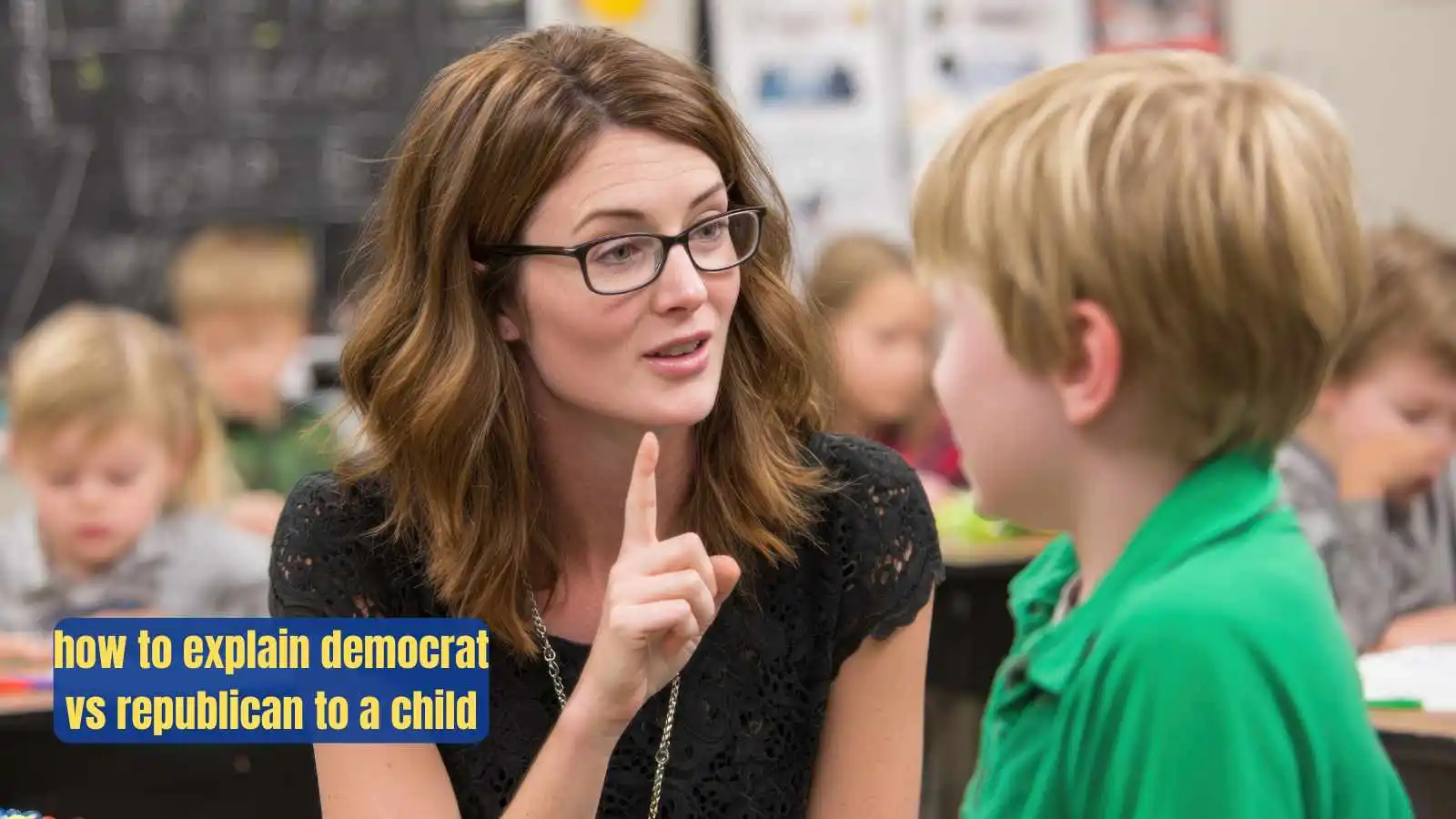
Children are naturally curious. Sooner or later, your child might ask, “Mom, what’s a Democrat?” or “Dad, what does Republican mean?”
Explaining politics to kids doesn’t have to be confusing or divisive — it can actually teach critical thinking, respect, and civic values.
This guide will help parents, teachers, and mentors explain Democrat vs Republican to a child in a simple, non-biased, and engaging way.
⚡ Quick Answer: Democrat vs Republican Explained Simply
To explain Democrat vs Republican to a child:
Tell them both groups love the United States but have different ideas on how to make it better.
- Democrats think the government should help people more.
- Republicans think people and businesses should have more freedom to make choices.
That’s it — two teams trying to make the country better in different ways.
🧩 Step 1: Start with the Basics — What Is Democracy?
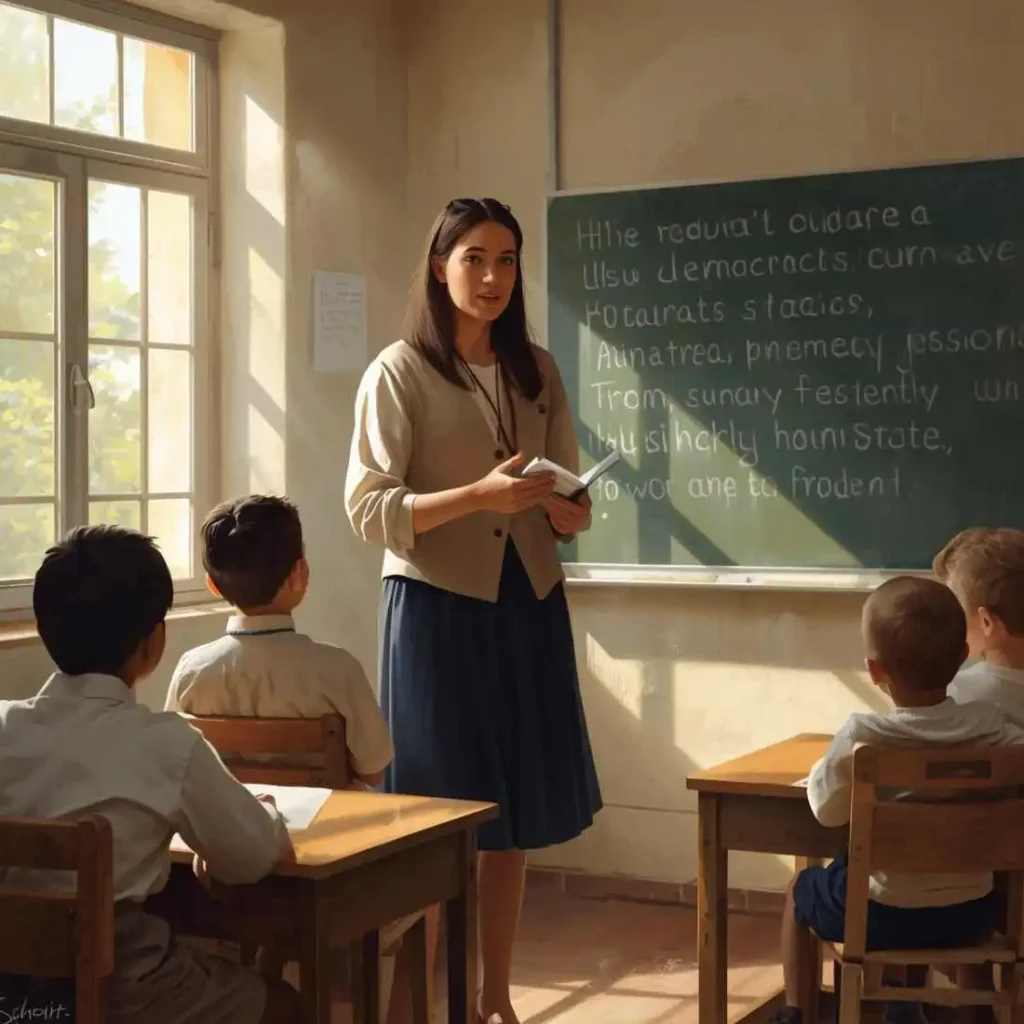
Kids understand fairness. So start there.
Explain that democracy means everyone gets a say in how the country is run. Citizens vote for leaders, and those leaders make decisions on our behalf.
Here’s how to simplify:
✅ Kid-Friendly Definition:
“Democracy is like when your class votes on what game to play — everyone gets a voice, and the most votes win.”
🗳️ Fun Teaching Idea
- Have kids “vote” on snack time or story choices.
- Explain that voting is how adults choose leaders.
This connects easily to how to teach children about democracy — making the concept real and fun.
Don’t miss this helpful related article: If You Propose at My Wedding Meme| A Deep Dive into the Viral Trend
🎨 Step 2: Explain What Political Parties Are
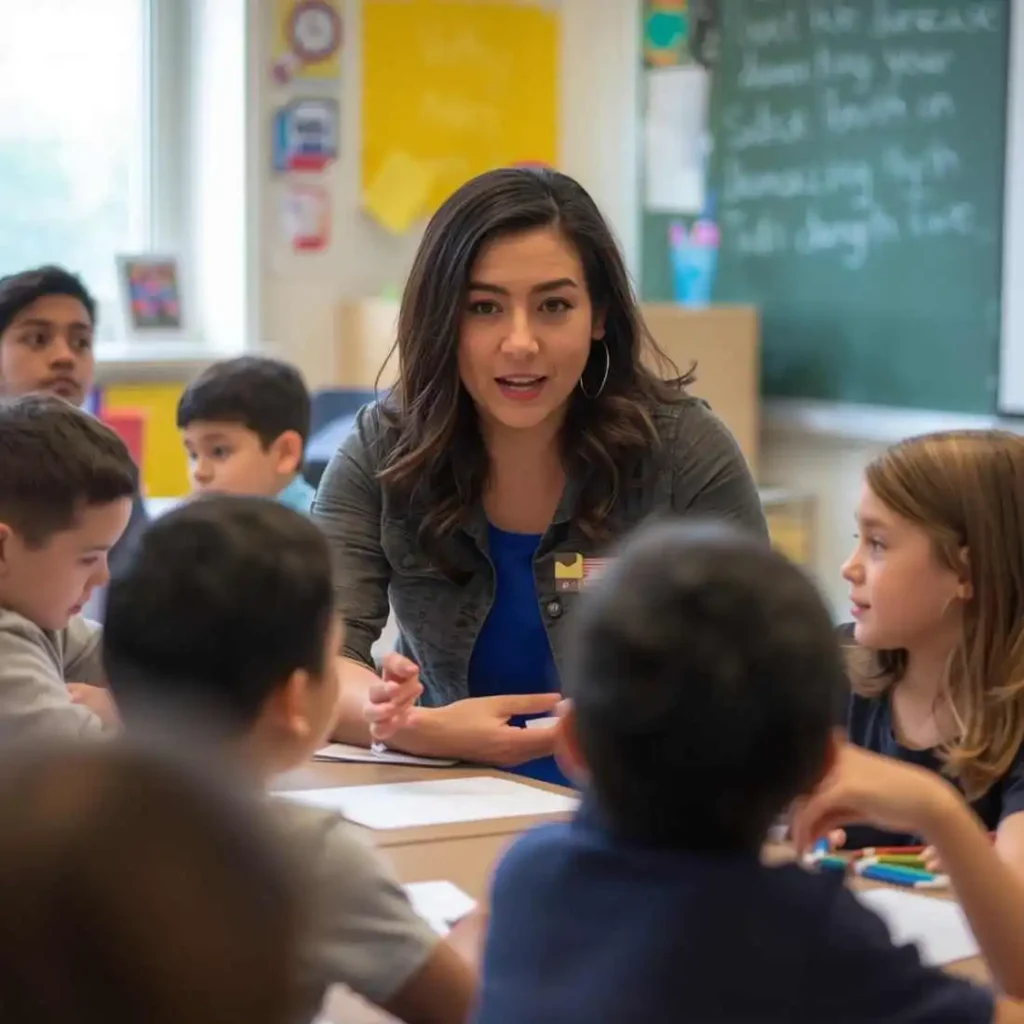
Before diving into details, help your child understand what a political party means.
✅ Simple Definition:
“A political party is a group of people who share ideas about how to make the country better.”
Just like in sports, there are different teams — in U.S. politics, the main ones are:
- Democrats (Blue, Donkey 🐴)
- Republicans (Red, Elephant 🐘)
You can describe them as teams who love America but have different playbooks on how to win — that’s democracy in action!
Qapnote.com is your new home for meaningful quotes that inspire your day, lift your mood, and touch your heart.
🧭 Step 3: Democrat vs Republican — Kid-Friendly Comparison Table
| Topic | Democrats (Blue) 🟦 | Republicans (Red) 🟥 |
|---|---|---|
| Government’s Role | Government helps more with programs & rules | People and businesses make more choices |
| Taxes | Rich people pay more to help everyone | Everyone pays less, encourages jobs |
| Environment | More eco-friendly laws | Balance between jobs & nature |
| Healthcare | Support government-run options | Prefer private healthcare |
| Education | More funding for public schools | School choice and parent control |
Explain each row with simple examples — use school rules, chores, or sports analogies.
✅ Example:
“A Democrat might say the teacher should make rules for everyone. A Republican might say kids can make their own rules if they’re fair.”
🧒 Step 4: Keep It Neutral and Respectful

When you teach kids about politics, neutrality is key.
Avoid calling one side “right” or “wrong.” Instead, emphasize that:
- Both sides want to help the country.
- They just see different paths to achieve it.
💬 Example Explanation:
“Both Democrats and Republicans want everyone to have a good life. They just have different ideas about how to get there.”
Encouraging empathy helps kids grow into respectful, informed young citizens.
🎲 Step 5: Use Stories, Games & Analogies
Learning through play helps children remember complex ideas.
Here are kid-friendly activities for explaining politics:
🧩 Activities:
- The Voting Game: Let kids “vote” between two snacks (chips vs cookies).
- Party Colors Craft: Create blue (Democrat) and red (Republican) flags.
- Story Time: Read tales about fairness, teamwork, and decision-making.
- Role-Play: Act out being “president” and choosing rules for a pretend school.
These fun moments make explaining Democrat vs Republican for kids enjoyable and memorable.
📚 Step 6: Teaching Kids About Government Structure
Before diving deeper into politics, explain how the U.S. government works.
Use visuals or charts like this:
| Branch | What It Does | Example |
|---|---|---|
| Executive | Enforces laws | The President |
| Legislative | Makes laws | Congress |
| Judicial | Interprets laws | The Supreme Court |
Explain that each branch checks the others, so no one becomes too powerful — an easy introduction to civics for kids explained simply.
🧠 Step 7: Encourage Questions & Critical Thinking
Kids might ask tough questions like:
- “Which party is better?”
- “Who should I vote for when I grow up?”
Encourage curiosity instead of giving one-sided answers.
✅ Parent Tip:
“It’s okay for people to disagree. What matters is that we listen and think before deciding.”
This develops independent thinking — a core value in a democracy.
👨👩🏫 Step 8: For Parents and Teachers — Practical Teaching Tips
👪 For Parents
- Keep explanations short and age-appropriate.
- Use real-life examples (shopping, sharing, chores).
- Read news together and discuss both sides.
📚 For Teachers
- Use classroom voting exercises.
- Create mock debates on fun topics (“Pizza vs. Tacos”).
- Reinforce respect during political discussions.
This helps parents and educators teach political understanding in a fun and neutral way.
🧾 Step 9: How to Discuss Elections with Kids
Election time sparks curiosity. Kids see ads, rallies, and debates — and they want to understand them.
✅ Simplified Explanation:
“During elections, people choose who they think can make the best decisions for everyone.”
🗳️ Fun Election Ideas:
- Create a mini election at home or school.
- Vote for class president, favorite movie, or ice cream flavor.
- Count votes together and discuss fairness.
This reinforces what democracy means — every voice counts.
💡 Step 10: Explain Political Differences Without Division
One of the best life lessons we can teach kids is how to disagree respectfully.
Explain that it’s okay if friends or family members have different political beliefs. What matters most is:
- Listening
- Understanding
- Respecting others’ views
✅ Parent Example:
“Grandpa likes one team, and Mom likes another. That’s okay — both care about the country.”
This mindset prepares them to become thoughtful voters and citizens later in life.
🔍 FAQs (Schema-Optimized Section)
Q1. What’s the difference between Democrats and Republicans for kids?
Democrats believe government should help more; Republicans believe people and businesses should make more choices themselves.
Q2. How can parents explain politics to a child?
Use stories, voting games, and comparisons to things they understand — like school rules or family chores.
Q3. What does Democrat mean for kids?
Someone who believes in equality and that the government should help make life fair for everyone.
Q4. What does Republican mean for kids?
Someone who believes in freedom, hard work, and fewer government rules.
Q5. How can teachers teach democracy in class?
Through mock elections, debates, and civics games that encourage fairness and teamwork.
🌎 Final Thoughts: Raising Respectful, Informed Young Citizens
Explaining Democrat vs Republican to kids isn’t about pushing an opinion — it’s about teaching understanding.
When children learn how democracy works, they grow into citizens who value fairness, respect, and participation.
“It’s not about red or blue — it’s about teaching kids that every voice matters.”