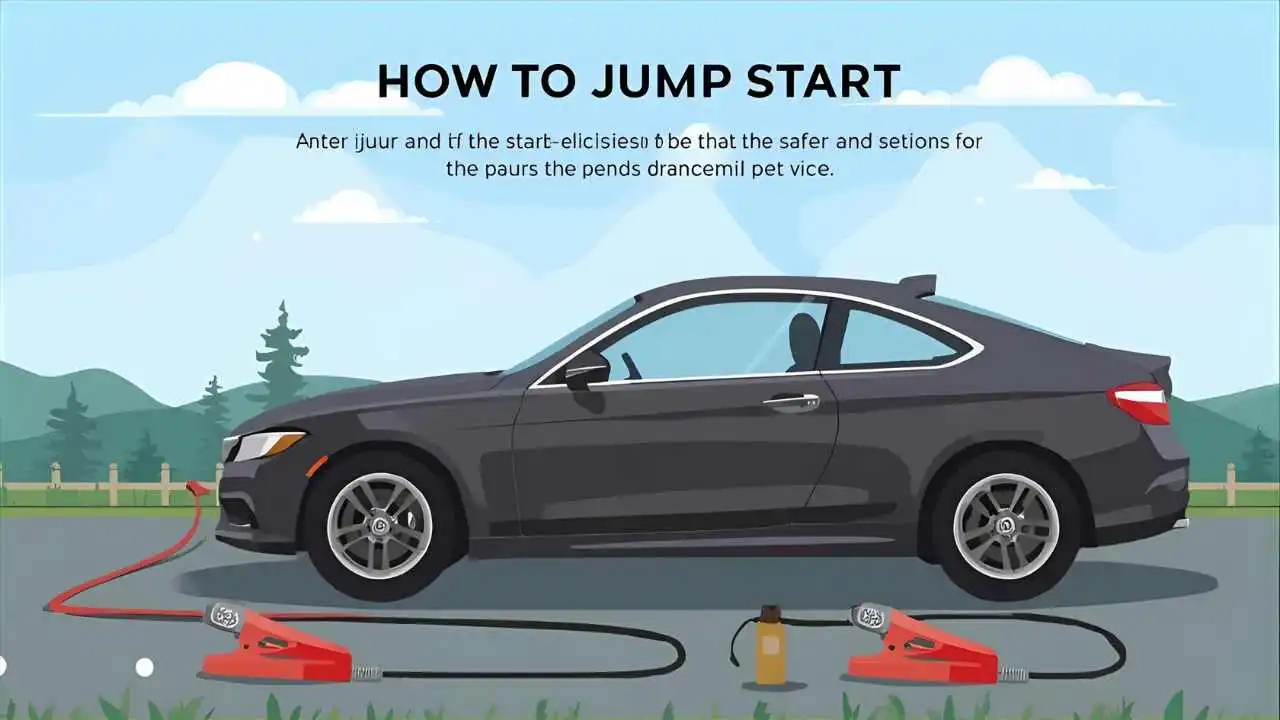
There’s nothing more frustrating than turning your car key and hearing… nothing. A dead battery can catch anyone off guard — whether you’re running late for work or stuck in an empty parking lot.
But don’t panic! Knowing how to jump start a car is one of the most useful life skills every driver should have. With just a pair of jumper cables and a little know-how, you can bring your car back to life in minutes — no mechanic required.
In this guide, we’ll walk you through step-by-step instructions to safely and correctly jump start your car, even if you’ve never done it before. We’ll also cover common mistakes to avoid, safety tips, and how to prevent your battery from dying again — so you’re never left stranded. Let’s get you back on the road fast and stress-free!
⚡ Quick Answer: How to Jump Start a Car
To jump start a car, connect the red jumper cable to both positive (+) terminals, then attach one black cable to the working battery’s negative (–) terminal and the other to an unpainted metal part on the dead car. Start the donor car, then the dead one, and remove cables in reverse order.
That’s the short version. Now let’s go deeper — safely and smartly.
🚗 Why Your Car Won’t Start (Common Causes of a Dead Battery)

When your car won’t start, a dead battery is often the culprit — but it’s not the only reason.
Common Reasons Your Car Battery Dies:
- Headlights or dome lights left on overnight
- Old or weak car battery (most last only 3–5 years)
- Corroded or loose battery terminals
- Freezing or extreme weather
- Faulty alternator not charging the battery
If your dashboard lights are dim or you hear a clicking sound when turning the key, you likely have a dead battery. Don’t worry — knowing how to jump start a dead battery can save you time and towing costs.
🧰 What You Need Before Jump Starting a Car
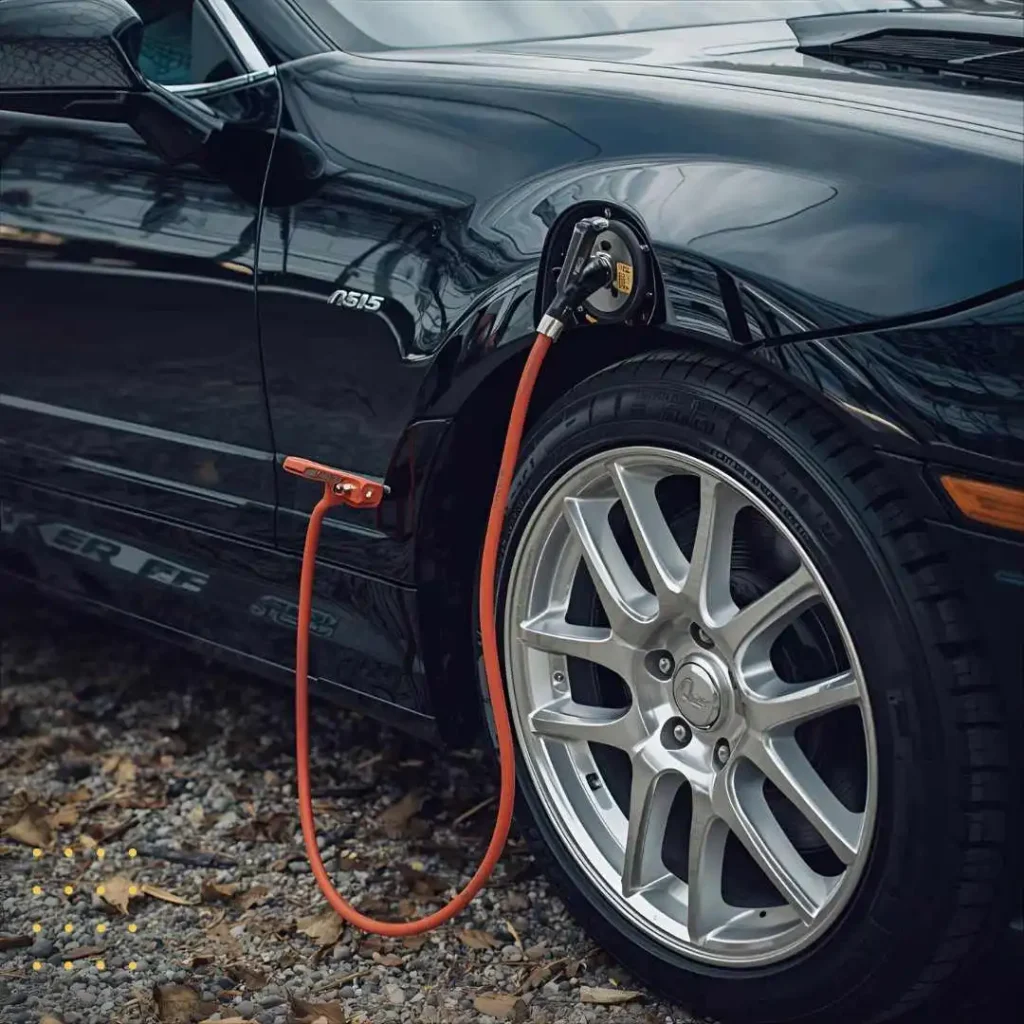
Before starting the jump start procedure, gather the right tools:
- A set of jumper cables (10–20 feet long, heavy-duty)
- A second car with a fully charged 12-volt battery
- Optional: Protective gloves and eye gear
- Optional: Portable jump starter or battery booster pack (for emergencies without another car)
⚠️ Safety Tip: Never jump start a frozen, leaking, or cracked battery. If you see swelling or smell acid, call for roadside assistance immediately.
🪫 Step-by-Step: How to Jump Start a Car (Safely and Correctly)
Follow these steps carefully for a smooth and safe jump start process.
Step 1: Park Both Cars and Prepare
- Bring the donor car close enough so the jumper cables can reach both batteries.
- Turn both cars off completely.
- Engage parking brakes on both vehicles.
- Set gear to Park (automatic) or Neutral (manual).
This ensures stability and safety before you begin.
Step 2: Locate Battery Terminals
Open both hoods and locate the car batteries.
Each has two terminals:
- Positive (+) terminal – often covered with red plastic.
- Negative (–) terminal – usually black or unmarked.
If unsure, check your owner’s manual before attaching cables.
Step 3: Connect the Jumper Cables (In This Order!)
The correct cable order is crucial to prevent damage.
- 🔴 Red to Dead: Attach the red cable to the positive (+) terminal of the dead battery.
- 🔴 Red to Donor: Connect the other red clamp to the positive (+) terminal of the good battery.
- ⚫ Black to Donor: Attach one black clamp to the negative (–) terminal of the working battery.
- ⚫ Black to Metal Ground: Attach the other black clamp to an unpainted metal surface (like a bolt or bracket) on the car with the dead battery.
💡 Never connect the final black clamp directly to the dead battery — it can cause sparks or short circuits.
Step 4: Start the Donor Vehicle
Start the car with the working battery and let it idle for 2–3 minutes. This sends current through the jumper cables into the dead battery.
Step 5: Start the Dead Car
Now try to start your vehicle:
- If it starts — great! Let it run for 5–10 minutes before disconnecting.
- If it doesn’t start, wait a few more minutes and try again.
Still no luck? You may have a bad alternator, corroded terminals, or a battery too far gone to hold a charge.
Step 6: Disconnect Cables in Reverse Order
Once the dead car starts, remove the cables carefully in reverse order:
- Black clamp from grounded metal.
- Black clamp from donor battery.
- Red clamp from donor battery.
- Red clamp from your car’s battery.
Avoid contact between clamps while removing.
Step 7: Keep the Engine Running
After a successful jump start, keep your engine running for 20–30 minutes or take a short drive.
This helps the alternator recharge the battery fully.
🔋 How to Jump Start a Car Without Another Vehicle
No second car around? You can still jump start your car alone.
Option 1: Use a Portable Jump Starter
A portable jump starter or battery booster pack is the easiest way to jump start a car by yourself.
- Connect clamps like regular jumper cables.
- Turn on the device and start your car.
- Disconnect clamps once the car starts.
✅ Tip: Always keep a jump starter in your emergency car kit — it’s a lifesaver during roadside emergencies.
Option 2: Push Start (Manual Cars Only)
If you drive a manual transmission car, you can push start it:
- Turn the ignition to “ON.”
- Shift into second gear.
- Have someone push the car until it rolls.
- Quickly release the clutch while pressing the gas.
If timed right, your car will start.
🧠 Troubleshooting: Car Won’t Start Even After Jump?
If your car won’t start after a jump, consider these possibilities:
- Battery is completely dead or old. Replace it if over 3–5 years old.
- Loose or corroded terminals. Clean with baking soda and water.
- Faulty alternator. The alternator may not be recharging your battery.
- Electrical problems. Fuses, wiring, or ignition issues can block power.
If all else fails, contact roadside assistance or visit a mechanic.
🧽 How to Prevent Your Car Battery From Dying
Follow these car battery maintenance tips to avoid future jump starts:
- Turn off headlights and interior lights every time you exit the car.
- Drive at least 20–30 minutes regularly to recharge your battery.
- Clean corrosion from terminals monthly.
- Test battery voltage once a year.
- Replace old batteries before they fail completely.
💡 Pro Tip: Cold weather drains battery capacity faster — keep your car in a garage or use an insulating cover in winter.
⚙️ Do’s and Don’ts of Jump Starting a Car
✅ Do:
- Read your car’s manual before jump-starting.
- Use thick, high-quality jumper cables.
- Keep cables clear of moving engine parts.
- Ensure both cars are in Park/Neutral.
❌ Don’t:
- Connect positive to negative — it can fry electronics.
- Jump start a frozen or damaged battery.
- Let clamps touch during or after connection.
- Rev the donor car’s engine excessively.
These jump start safety tips can save your vehicle’s electrical system from serious damage.
🔧 When to Replace Your Car Battery
Even the best batteries wear out.
Signs of a Weak or Failing Battery:
- Engine cranks slowly
- Dim headlights or interior lights
- Battery warning light on dashboard
- Corrosion buildup around terminals
If you notice these signs, it’s time to replace your car battery. Most last 3–5 years depending on usage and climate.
📚 Common Myths About Jump Starting a Car
Myth 1: You can jump start any car the same way.
Fact: Electric and hybrid cars often require special procedures — check your manual first.
Myth 2: Idling will recharge a dead battery.
Fact: Driving for 20–30 minutes is far more effective.
Myth 3: Jump starting can damage your car.
Fact: It’s safe if done correctly — most problems arise from wrong cable connections.
❓ FAQs: How to Jump Start a Car (Quick Answers)
Q1: Can you jump start a car in the rain?
✅ Yes — as long as cables and connectors stay dry and you avoid puddles.
Q2: How long should you run your car after jump starting?
✅ At least 20–30 minutes or drive to recharge.
Q3: What if the car dies again after a jump?
✅ Your battery or alternator likely needs replacement.
Q4: Can any car jump start another?
✅ Yes, if both use a 12-volt system (most modern vehicles do).
Q5: How to jump start a car alone?
✅ Use a portable jump starter — it doesn’t require another vehicle.
🧩 Pro Tips for Long-Term Car Battery Health
- Keep a jump starter pack in your trunk.
- Have your battery load tested twice a year.
- Park indoors during winter to prevent freezing.
- Don’t ignore flickering lights — they often signal charging issues.
- Keep an emergency roadside kit with cables, gloves, and a flashlight.
🏁 Conclusion:
Jump-starting a car doesn’t have to be stressful — with the right tools and a little know-how, you can get back on the road quickly and safely. Always remember to follow each step carefully, connect the jumper cables in the correct order, and ensure both vehicles are off before starting.
By practicing safe jump-starting techniques, you’ll not only save time but also protect your car’s battery and electrical system. So the next time your car won’t start, stay calm — you already know how to jump start a car the right way! 🚗⚡