Have you ever cracked an egg only to be met with a strange smell or odd texture? 🫢 Eggs are a kitchen staple — used in everything from breakfast omelets to baking cakes — but knowing how to tell if eggs are bad can save you from a ruined recipe and a potential stomach ache. The tricky part? Eggs can sometimes look perfectly fine even when they’ve gone bad.
In this detailed guide, we’ll uncover simple, foolproof ways to test egg freshness using easy home methods — no special tools required! You’ll learn how to check eggs by sight, smell, and float test, plus expert tips to store them longer and avoid wasting food.
Whether you’re a home cook, baker, or just trying to stay safe in the kitchen, this guide will make you an egg expert in minutes.
🧠 Why You Must Know How to Tell If Eggs Are Bad
Eggs are nutrient-rich and affordable, but their freshness can be tricky to judge. Understanding how to know if eggs are bad protects you from food poisoning and improves your cooking results.
🥩 1. Health and Safety
Bad eggs can contain Salmonella, which causes foodborne illness. Recognizing the signs of bad eggs ensures you never serve contaminated food.
🍰 2. Cooking Quality
Fresh eggs yield firmer whites, fluffier omelets, and better baking results. When you learn how to check egg freshness, you guarantee great flavor and texture.
💰 3. Save Money and Reduce Waste
Knowing how to tell if eggs are still good means fewer wasted groceries and less environmental impact.
🕒 How Long Do Eggs Last? (Shelf Life Guide)
Before testing eggs, it’s important to know how long eggs last in various storage conditions:
| Storage Method | Shelf Life | Notes |
|---|---|---|
| Room Temperature | 7–10 days | Only if eggs were never refrigerated before. |
| Refrigerator (in carton) | 3–5 weeks | Keep in original carton for freshness. |
| Hard-Boiled Eggs (refrigerated) | 1 week | The shell’s natural protection is removed after boiling. |
| Frozen Eggs (beaten) | Up to 1 year | Store in an airtight container for future use. |
📦 Pro Tip: Always store eggs in their carton, not on the fridge door, where temperatures fluctuate.
🧪 6 Proven Ways to Tell If Eggs Are Bad
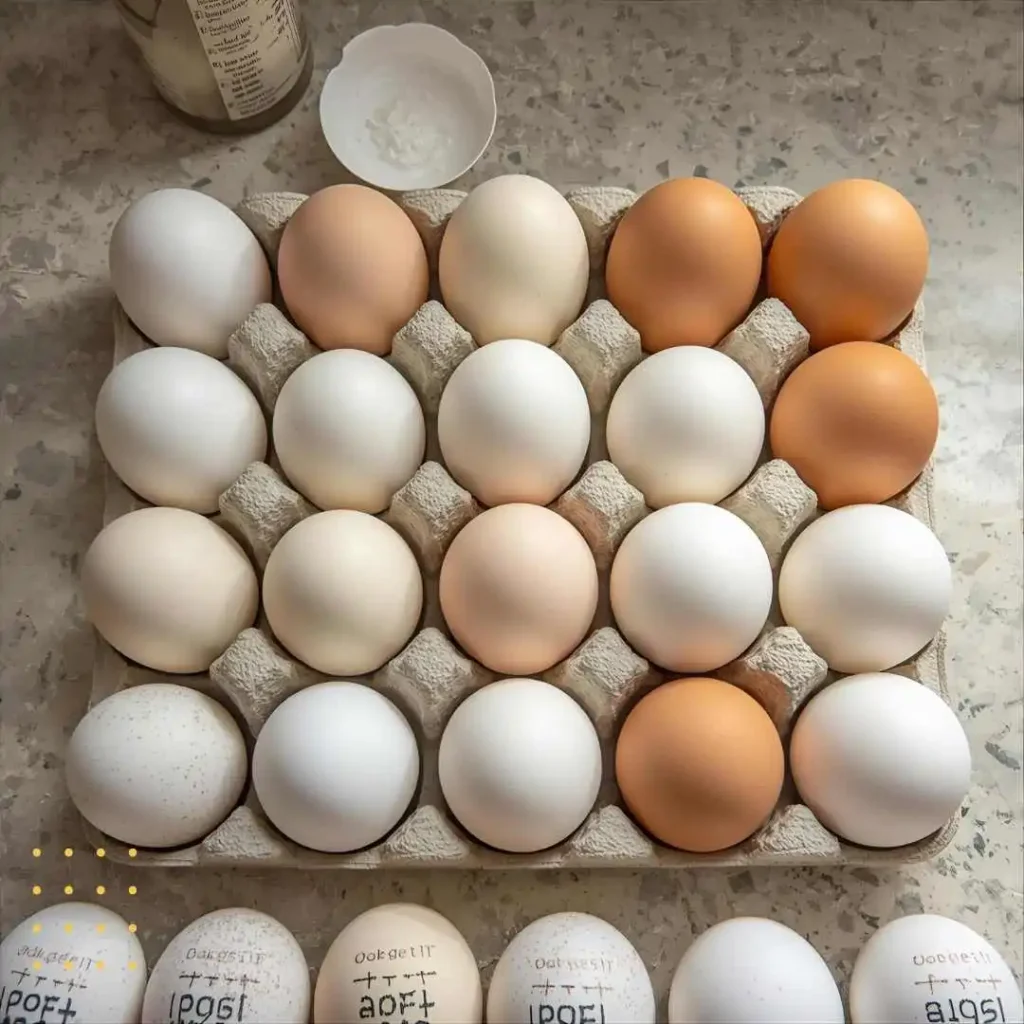
Here are the most trusted egg freshness tests used by cooks, chefs, and food safety experts.
1. 🏷️ Check the Expiration or Julian Date
Every egg carton contains helpful date information to guide you.
- Sell By / Best By Date: This tells stores when to stop selling, not when eggs actually go bad.
- Julian Date: A 3-digit code representing the day of the year eggs were packed (001 = Jan 1, 365 = Dec 31).
✅ Example:
If the Julian date reads “120,” the eggs were packed on April 29.
They’re typically safe for 4–5 weeks beyond that date if refrigerated.
So the next time you wonder “Do eggs expire right after the printed date?” — not necessarily! It depends on proper egg storage and temperature consistency.
2. 💧 The Float Test for Eggs (Water Test)
The float test for eggs is the simplest and most reliable method to check if your eggs are still good.
How to Do It:
- Fill a bowl or glass with cold water.
- Gently lower the egg in.
What It Means:
- Sinks and lays flat: Very fresh.
- Sinks but stands upright: Still safe but should be used soon.
- Floats: Bad — gas buildup from bacterial spoilage.
This classic egg freshness test works because older eggs develop larger air pockets that make them buoyant.
3. 👃 The Sniff Test — Trust Your Nose
Your nose can instantly tell you how to check if eggs are bad after cracking them.
- Fresh eggs: Neutral or slightly earthy scent.
- Spoiled eggs: Strong sulfur, rotten, or “wet cardboard” odor.
If you detect a bad egg smell, don’t taste it or try to salvage it — discard it immediately.
👉 This method is perfect when you’re unsure how to know if eggs are bad after cracking.
4. 👁️ Visual Inspection (Before Cracking)
Take a moment to look closely at the eggshell.
| Shell Appearance | Meaning |
|---|---|
| Smooth, clean, no cracks | Fresh and safe |
| Slimy or sticky | Bacterial growth |
| Powdery or moldy | Mold contamination |
Even a single crack allows bacteria to enter. These are visible signs of bad eggs, so it’s best to discard any egg with an irregular shell.
5. 🍳 Crack Test — Check the Inside
Once cracked open, you can tell a lot about an egg’s age and safety.
| Observation | Fresh Egg | Bad Egg |
|---|---|---|
| Yolk Shape | Round and tall | Flat or broken |
| White (Albumen) | Thick and firm | Watery and runny |
| Smell | No odor | Sulfuric or sour |
When learning how to tell if eggs are still good, this is the most direct test — especially before cooking or baking.
6. 🔦 Candling (Professional Freshness Check)
Candling involves holding an egg up to a bright light in a dark room. You’ll see:
- Air cell size (larger = older egg)
- Yolk position and movement
- Any dark spots or defects
This advanced egg quality test is often used in hatcheries but can also help at home if you’re curious about freshness without cracking eggs open.
🧊 How to Tell If Boiled Eggs Are Bad
If you love meal-prepping, you should know how to tell if boiled eggs are bad since they spoil faster.
Signs of Spoiled Boiled Eggs:
- Odor: Sour or sulfur smell when peeled.
- Texture: Sticky or chalky surface.
- Color: Gray or dark spots inside (especially near yolk).
Boiled eggs last up to 7 days in the fridge. Store them in a sealed container and label with the boiling date.
🧺 How to Store Eggs Properly (and Keep Them Fresh Longer)
Proper egg storage prevents contamination and extends shelf life.
1. Keep Them Refrigerated
Always store eggs at 40°F (4°C) or below. Once chilled, never return them to room temperature.
2. Use the Original Carton
The carton protects eggs from absorbing fridge odors and prevents moisture loss.
3. Avoid the Door Shelf
The door experiences temperature swings each time it opens.
Store eggs on a middle or lower shelf for consistency.
4. Don’t Wash Store-Bought Eggs
Commercial eggs are already cleaned and coated with a protective layer. Washing removes this layer and shortens shelf life.
5. Freeze Extra Eggs
Beat raw eggs and pour them into ice cube trays. Label with date — they’ll last up to 12 months frozen.
🧑🍳 Cooking and Food Safety Tips
Even good eggs can become unsafe if cooked or stored improperly.
- Scrambled eggs: Cook until no runny parts remain.
- Fried or poached eggs: Whites and yolks should both be firm.
- Baked recipes: Ensure internal temperature reaches 160°F (71°C).
If a recipe uses raw eggs (like mousse, mayonnaise, or tiramisu), choose pasteurized eggs to avoid Salmonella risk.
❌ Common Myths About Egg Freshness
Myth 1: Brown Eggs Are Healthier Than White Eggs
Wrong — shell color depends on the hen’s breed, not freshness or nutrition.
Myth 2: Floating Eggs Are Always Edible
No — floating eggs are old and possibly spoiled due to air buildup.
Myth 3: Washing Eggs Makes Them Safer
Actually, washing removes the natural protective coating, increasing contamination risk.
Myth 4: A Blood Spot Means It’s Rotten
False — blood spots are harmless and natural.
Understanding these myths helps you confidently decide how to tell if eggs are bad or still safe.
🏠 Can You Eat Eggs After the Expiration Date?
Yes — sometimes.
You can safely eat eggs after their expiration date if they’ve been refrigerated and pass the float test and sniff test.
Typically, eggs remain safe 3–5 weeks past the packing date when stored correctly.
👉 When in doubt, always perform an egg freshness test before cooking.
⚠️ What Happens If You Eat a Bad Egg?
Eating spoiled eggs can lead to foodborne illness within hours.
Common Symptoms:
- Nausea or vomiting
- Stomach cramps
- Diarrhea
- Fever
If symptoms persist beyond 48 hours, seek medical attention.
To stay safe, always practice egg safety tips: check, smell, and store properly.
🌱 Eco-Friendly Tips for Using and Disposing of Eggs
Reduce waste and stay eco-conscious:
- Compost bad eggs — great for soil health.
- Crush eggshells for garden fertilizer or pest control.
- Buy local eggs to support nearby farmers and reduce transport waste.
Being mindful of freshness and sustainability helps both your health and the planet.
🧭 Quick Reference: How to Check Egg Freshness
| Method | Fresh Egg | Bad Egg |
|---|---|---|
| Float Test | Sinks flat | Floats to top |
| Sniff Test | No odor | Rotten smell |
| Visual Check | Clean, smooth shell | Slimy or moldy |
| Crack Test | Firm yolk, thick white | Watery, flat yolk |
| Boiled Egg Check | No smell, smooth | Sour or sticky |
Use this as your Egg Freshness Checklist to quickly determine if your eggs are safe to eat.
📚 Expert Sources for Egg Safety
To ensure accuracy, here are reliable references used in this guide:
- U.S. Department of Agriculture (USDA): Egg Safety Basics
- U.S. Food and Drug Administration (FDA): Egg Storage and Handling
Adding these credible sources boosts your knowledge and supports safe kitchen practices.
📣 Final Thoughts:
Understanding how long to boil potatoes is the secret to perfect results in any recipe. Small cubes may take 10–12 minutes, while whole potatoes can need 20–25 minutes. Test them with a fork—when it slides in smoothly, they’re ready to serve.
Mastering this simple timing trick ensures your potatoes are always tender, tasty, and ready for any dish.
🥚 Quick FAQs
Q1. How to tell if eggs are still good?
Perform the float and sniff tests — fresh eggs sink and have no smell.
Q2. How long do eggs last in the fridge?
Typically 3–5 weeks from purchase if stored at or below 40°F.
Q3. Can you eat eggs after the expiration date?
Yes, if refrigerated and they pass freshness tests.
Q4. How to tell if boiled eggs are bad?
Check for sour smell, sticky shell, or discoloration.
Q5. What happens if you eat a bad egg?
You may experience food poisoning symptoms like cramps and diarrhea.