
If you’ve ever scrolled through social media and laughed at a hyperpigmentation meme, you’re not alone. Behind every joke about “that stubborn dark spot that won’t fade” lies a universal struggle shared by millions.
These memes blend humor and honesty — reminding us that while skincare trends change, hyperpigmentation remains one of the most persistent and relatable skin concerns. But how do we go beyond the meme and tackle it for real?
This comprehensive guide explains what hyperpigmentation is, its causes, and how to treat it effectively using dermatologist-approved strategies — while keeping a sense of humor intact.
What Is Hyperpigmentation?
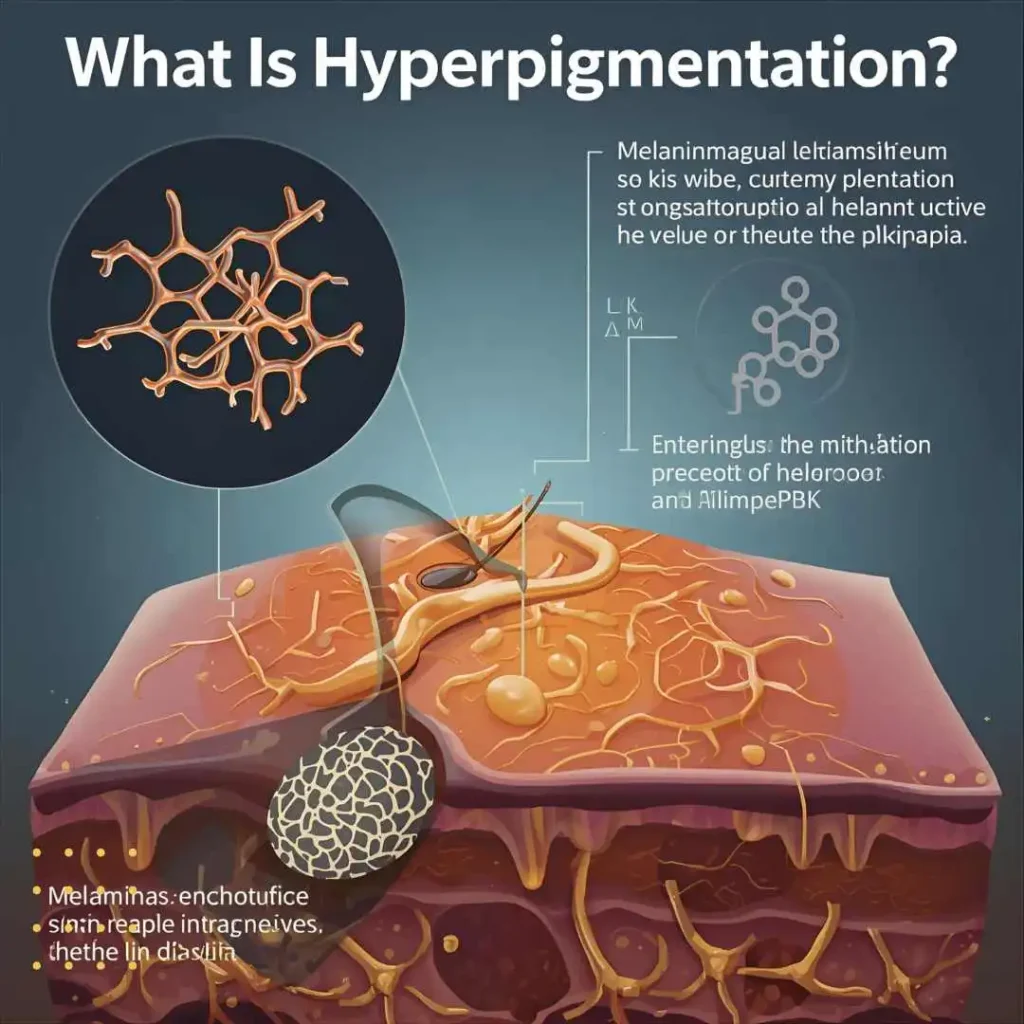
Hyperpigmentation occurs when patches of skin become darker than the surrounding areas due to an excess of melanin, the pigment responsible for skin color.
While it’s harmless, the frustration it causes is no joke — which explains why skincare memes about dark spots and “failed vitamin C routines” have taken over the internet.
Types of Hyperpigmentation
- Post-Inflammatory Hyperpigmentation (PIH): Dark marks that appear after acne, injuries, or inflammation.
- Melasma: Often linked to hormonal changes, such as pregnancy or contraceptive use.
- Sunspots (Solar Lentigines): Caused by chronic UV exposure.
- Freckles (Ephelides): Genetic pigmentation that darkens with sunlight.
Each type may respond differently to hyperpigmentation treatment, which is why a tailored skincare routine is key.
The Science Behind It: How Melanin Works
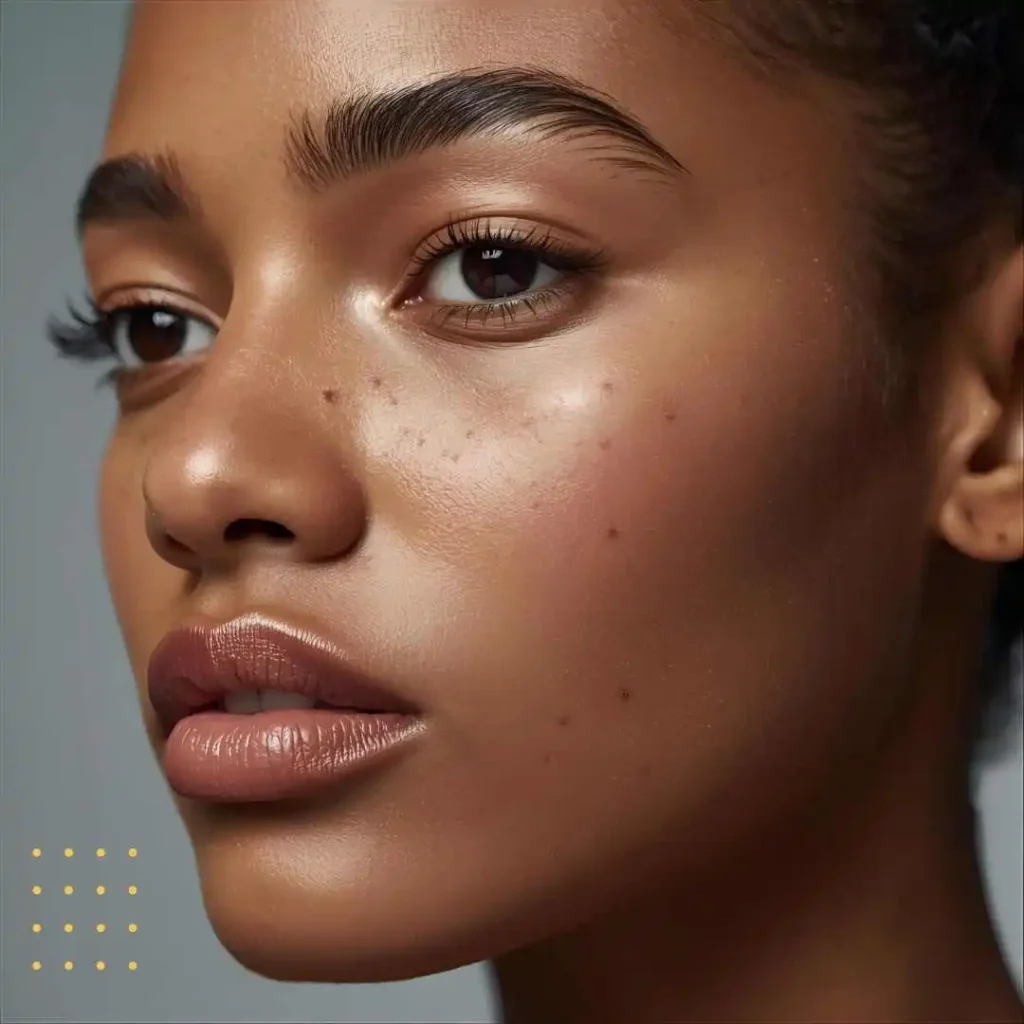
Melanin is produced by cells called melanocytes. When your skin experiences inflammation, hormonal imbalance, or UV exposure, these cells go into overdrive, releasing excess pigment.
That’s why people dealing with acne, sun damage, or hormonal shifts often notice uneven skin tone or dark spots on the face that won’t fade easily.
Think of hyperpigmentation as your skin’s “overreaction” to stress — and the right skincare for hyperpigmentation helps calm it down.
Why the Hyperpigmentation Meme Went Viral
1. It’s Universally Relatable
Whether you’re trying your fifth “brightening serum” or reading reviews at 2 a.m., everyone’s felt the same frustration. Memes like “me applying vitamin C hoping to wake up clear-skinned” capture this perfectly.
2. Humor Helps People Cope
Skin struggles can affect confidence. Humor provides relief — allowing people to discuss pigmentation without shame.
3. Influencers and Brands Embrace the Meme Culture
From dermatologists to skincare influencers, many now use skincare memes to spread awareness about hyperpigmentation treatments, SPF, and ingredient education — making science go viral.
Emotional Impact: Beyond the Laughs
For many, hyperpigmentation isn’t just a cosmetic issue — it’s emotional. Persistent dark spots can lead to low self-esteem, social anxiety, or skincare fatigue.
That’s why memes, though light-hearted, have become a bridge between humor and healing. They normalize the conversation around real skin and remind us that everyone’s skincare journey takes time.
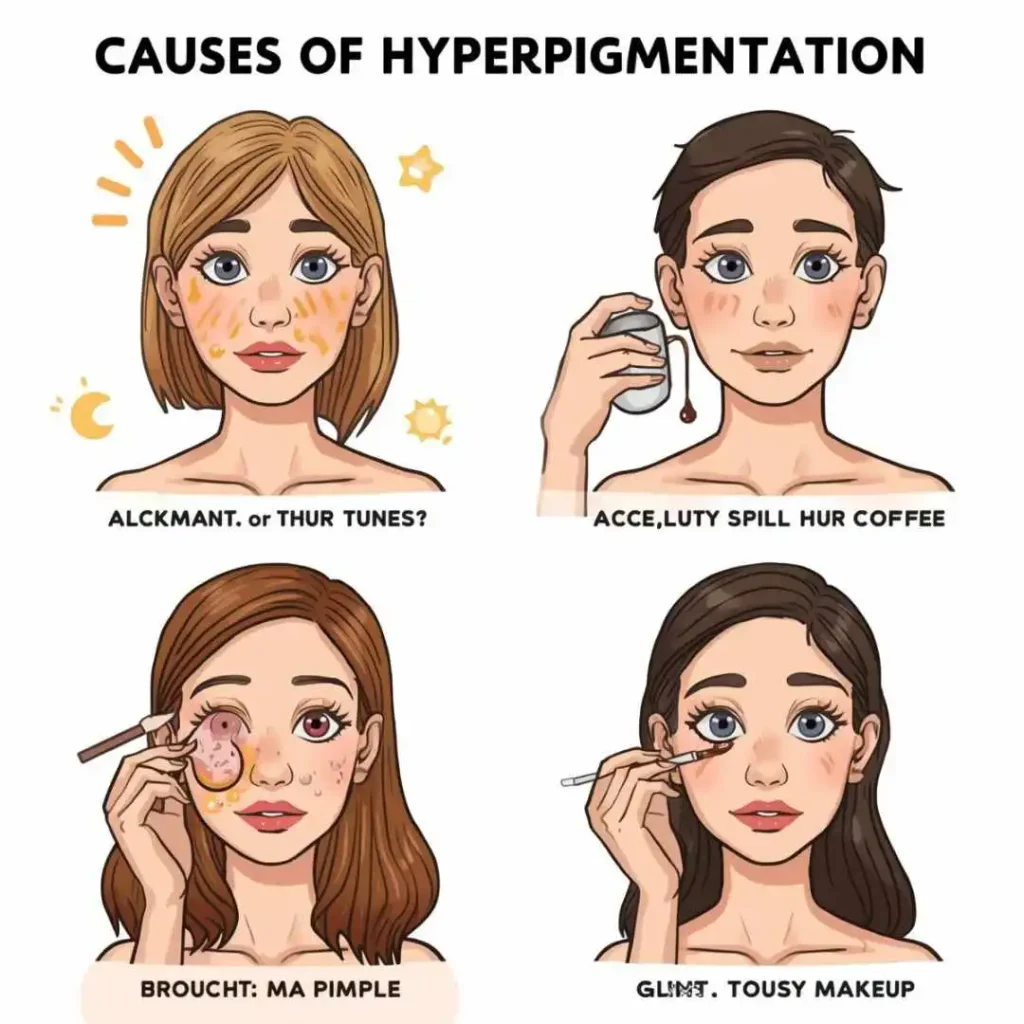
Causes of Hyperpigmentation
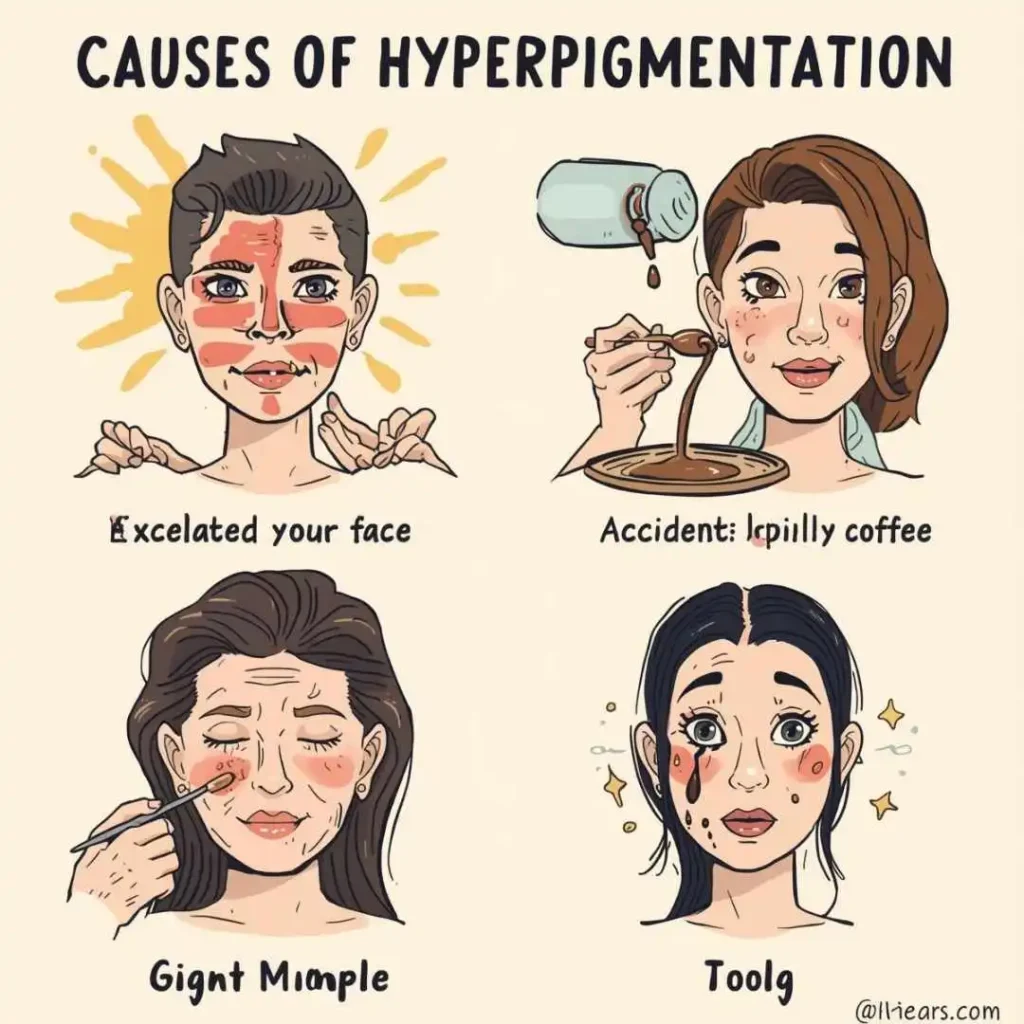
Understanding the causes of hyperpigmentation is the first step in prevention and treatment:
- Sun Exposure: UV radiation triggers melanin production — the top cause of pigmentation.
- Hormonal Fluctuations: Estrogen and progesterone can increase melanin activity, leading to melasma.
- Inflammation: Acne or eczema may leave post-inflammatory hyperpigmentation after healing.
- Genetics: Some individuals are genetically more prone to pigmentation.
- Medications: Certain antibiotics and chemotherapy drugs may cause dark patches.
- Harsh Skincare Practices: Over-exfoliating or using strong acids without SPF can worsen pigmentation.
Effective Treatments for Hyperpigmentation
1. Topical Treatments
Look for dermatologist-recommended ingredients:
- Vitamin C for pigmentation: Brightens skin and reduces oxidative stress.
- Niacinamide for dark spots: Soothes inflammation and lightens dark areas.
- Hydroquinone: A potent bleaching agent for short-term use.
- Retinoids: Boost cell turnover and enhance skin regeneration.
- Kojic Acid & Alpha Arbutin: Natural alternatives to lighten dark spots.
2. Professional Treatments
If topical care isn’t enough, dermatologists may recommend:
- Chemical Peels: Remove pigmented layers for smoother, brighter skin.
- Laser Treatment for Dark Spots: Targets melanin directly without harming surrounding tissue.
- Microneedling: Encourages collagen production and reduces discoloration.
- Cryotherapy: Freezes and removes stubborn pigmentation patches.
3. Natural Remedies for Pigmentation
While milder, these options support professional treatments:
- Aloe Vera: Calms and hydrates inflamed skin.
- Licorice Root Extract: Reduces melanin activity.
- Green Tea: Protects against UV-induced pigmentation.
- Lemon Juice (Cautiously): May lighten spots but can irritate — always dilute.
Best Hyperpigmentation Skincare Routine (Dermatologist-Approved)
Morning Routine
- Gentle Cleanser – Removes oil and buildup without irritation.
- Vitamin C Serum – Brightens and prevents new pigmentation.
- Niacinamide Moisturizer – Strengthens the skin barrier.
- Broad-Spectrum Sunscreen (SPF 30+) – Prevents UV-triggered pigmentation.
Night Routine
- Cleanser
- Retinoid or Kojic Acid Cream – Speeds up cell renewal.
- Hydrating Moisturizer – Keeps the skin barrier healthy.
- Exfoliation (1–2 times a week) – Use AHAs or BHAs to remove dull cells.
💡 Pro Tip: Consistency beats perfection. Even the best products for hyperpigmentation take 8–12 weeks to show results.
Prevention Is Better Than Cure
- Always Wear Sunscreen for Hyperpigmentation
UV protection is non-negotiable — even indoors. - Avoid Picking or Scrubbing Skin
This causes post-inflammatory hyperpigmentation. - Eat for Skin Health
Include antioxidants, vitamin E, and zinc to protect against oxidative damage. - Regular Dermatologist Visits
Professional guidance ensures safe, targeted treatment.
Hyperpigmentation Memes: Turning Humor Into Awareness
Memes like “Me pretending my dark spots are freckles” show how humor empowers rather than hides imperfections.
The hyperpigmentation meme trend has helped create open, stigma-free conversations about real skin. It shows that laughter and learning can coexist — and that the best skincare routine starts with patience, not perfection.
Common Myths About Hyperpigmentation
| Myth | Truth |
|---|---|
| Lemon juice removes dark spots overnight | It can burn or worsen pigmentation. |
| Only fair skin gets pigmentation | Hyperpigmentation affects all skin tones. |
| Expensive serums guarantee results | Ingredients matter more than price. |
| Makeup makes it worse | Not if you remove it properly and use SPF. |
| Pigmentation is permanent | With proper care, most cases fade significantly. |
Real-Life Example: Patience Pays Off
Dermatologists note that patients who used niacinamide and vitamin C for pigmentation consistently over 10–12 weeks saw visible fading of acne marks. The key isn’t speed — it’s persistence.
That’s the real “meme-worthy” truth: progress, not perfection, gets the win.
When to See a Dermatologist
If your pigmentation is spreading, getting darker, or not responding to over-the-counter treatments, it’s time to consult a professional. They can diagnose whether it’s melasma, PIH, or another condition — and design a treatment plan accordingly.
Conclusion:
The hyperpigmentation meme might make you laugh, but it also highlights a shared reality: everyone is on their own skincare journey.
With the right hyperpigmentation skincare routine, consistent sunscreen use, and science-backed treatments, you can gradually achieve a brighter, more even complexion — without filters or frustration.
FAQ
Q1: Can hyperpigmentation go away permanently?
Most cases fade with consistent treatment, though maintenance and sun protection are essential.
Q2: What’s the best ingredient for dark spots?
Vitamin C, niacinamide, and retinoids are among the most effective.
Q3: Does sunscreen really help with pigmentation?
Yes. Sunscreen prevents existing spots from darkening and new ones from forming.
Q4: Is laser treatment safe for all skin tones?
Modern lasers can be customized for most skin tones, but always consult a dermatologist first.
Q5: Are natural remedies effective?
They can support medical treatments but are rarely strong enough on their own.