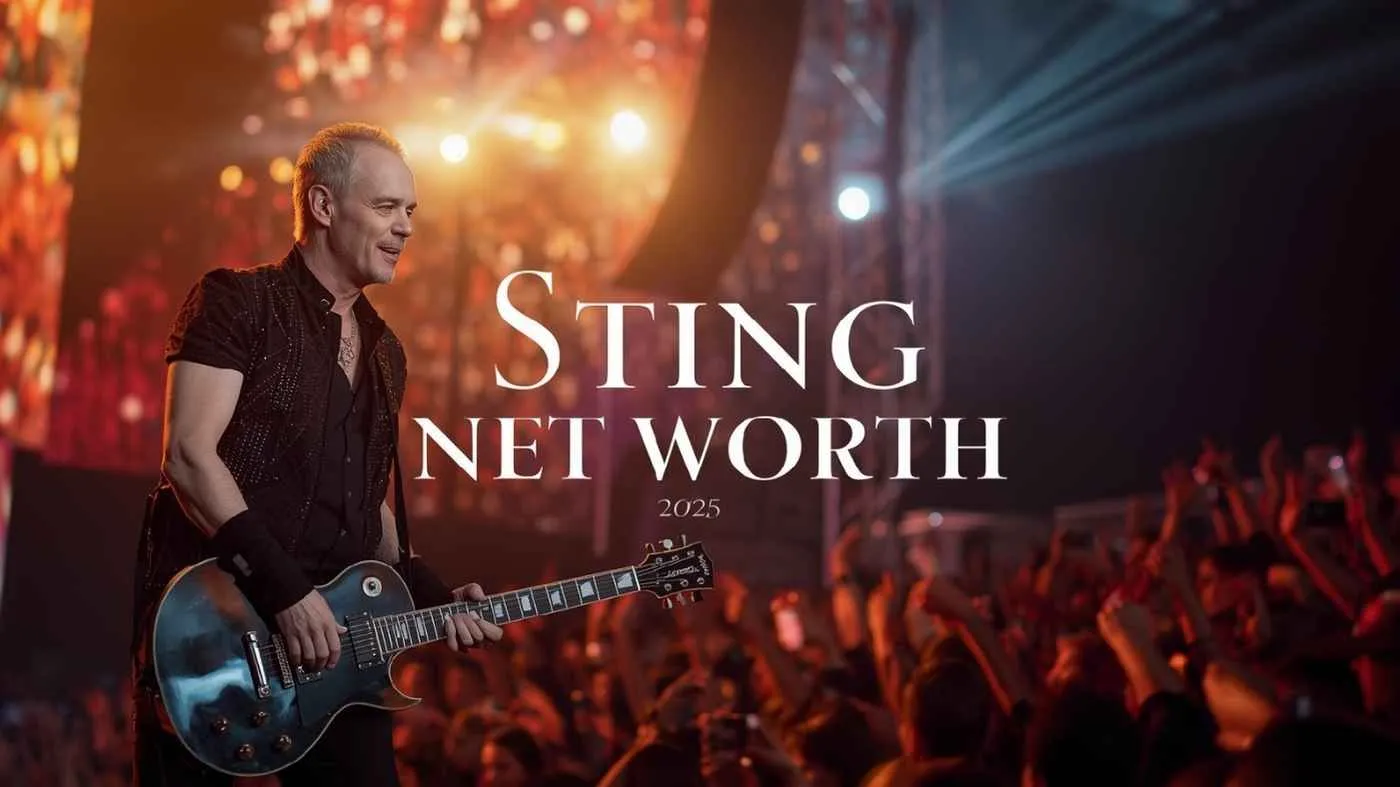
Sting, the legendary musician and frontman of The Police, is not just a global icon in the world of rock and pop but also a powerhouse when it comes to financial success.
With a career spanning over four decades, Sting has transformed his musical talent into a multi-million dollar fortune, earning not only from record sales and sold-out tours but also from songwriting royalties, acting projects, and smart business ventures.
Fans and music enthusiasts often wonder how much wealth a rock legend like Sting has accumulated, and his net worth reflects both his artistic influence and financial acumen.
In this article, we’ll take an in-depth look at Sting’s earnings, from his early days with The Police to his thriving solo career, touring triumphs, investments, and luxury lifestyle.
By the end, you’ll have a complete picture of Sting’s net worth in 2026 and the factors behind his enduring wealth.
Sting’s Early Life & Musical Roots
Born as Gordon Matthew Thomas Sumner on October 2, 1951, in Wallsend, England, Sting grew up in a working-class family. His father, Ernest Sumner, was a bus conductor, and his mother, Audrey, was a nursery school teacher. Despite their modest means, his parents nurtured his love for music from an early age. Sting showed an interest in performance and rhythm as a child, often experimenting with instruments and singing in school choirs.
He adopted the nickname “Sting” during his early years as a musician, reportedly because he wore a black-and-yellow striped sweater that made him look like a bee. After finishing school, Sting pursued a career in education, training as a teacher while performing in local bands in Newcastle. During this period, he developed his skills as a bassist, singer, and songwriter, blending rock, jazz, and reggae influences that would later define his signature style.
In the mid-1970s, Sting moved to London, where he immersed himself in the city’s vibrant music scene. Performing in small clubs and bars, he gained valuable experience and began writing original songs. His early dedication to perfecting his craft, combined with an innate sense of musicality, laid the foundation for what would become a remarkable career. These formative years not only shaped his artistic identity but also set the stage for the massive financial success he would achieve with The Police and as a solo artist.
Formation of The Police
In 1977, Sting’s career took a major turn when he co-founded the iconic band The Police alongside guitarist Andy Summers and drummer Stewart Copeland. What began as a small London-based group quickly gained momentum thanks to their unique fusion of rock, punk, reggae, and new wave sounds. Sting’s background in jazz and classical music, combined with his distinctive voice and exceptional songwriting skills, became central to the band’s identity.
The Police quickly made a name for themselves with energetic live performances in London’s club scene, attracting attention from music critics and record labels. Their debut album, Outlandos d’Amour (1978), featuring hits like “Roxanne” and “Can’t Stand Losing You,” catapulted the band into international recognition. Sting’s lyrical storytelling and basslines were instantly recognizable, setting the band apart from other acts of the era.
Financially, The Police’s early success translated into growing revenue streams. Record sales, live performances, and early publishing royalties laid the groundwork for Sting’s future wealth. By the early 1980s, the band’s global tours, multi-platinum albums, and media appearances made them one of the highest-earning acts of their time. Sting’s role as the primary songwriter ensured that he would earn a significant share of royalties, a factor that would contribute heavily to his personal net worth.
The combination of talent, hard work, and smart business management during these formative years established Sting not only as a rock star but also as a savvy musician poised to build lasting financial success.
The Police Album Sales & Revenue
The Police quickly became one of the most commercially successful bands of the late 1970s and early 1980s. Their debut album, Outlandos d’Amour (1978), achieved global recognition, selling millions of copies and producing hits like “Roxanne” and “So Lonely.” The success of this album marked the beginning of a financial journey that would significantly contribute to Sting’s wealth. Their follow-up albums, including Reggatta de Blanc (1979), Zenyatta Mondatta (1980), and Ghost in the Machine (1981), solidified the band’s reputation and generated substantial revenue through both album sales and licensing deals.
The Police’s commercial peak came with Synchronicity (1983), which included the iconic single “Every Breath You Take.” This album sold over 8 million copies in the United States alone and topped charts worldwide, earning the band millions in revenue. Sting, as the primary songwriter, received a significant portion of royalties, which would become a steady and long-term income source.
Beyond album sales, The Police capitalized on merchandising and international licensing deals. From vinyl and cassette sales to later CD releases and digital downloads, each medium added to Sting’s cumulative earnings. Furthermore, the band’s music was heavily used in movies, commercials, and other media, creating additional royalty streams.
Overall, the combination of record sales, publishing royalties, and licensing ensured that The Police were not only a critical success but also a financial powerhouse. Sting’s strategic position as the chief songwriter laid the foundation for his growing fortune, demonstrating the importance of intellectual property in building long-term wealth.
Touring Success With The Police
One of the most significant contributors to Sting’s wealth during his time with The Police was their extensive and highly successful touring schedule. From small clubs in London to massive arenas around the world, The Police became known for their electrifying live performances, which drew thousands of fans and generated substantial ticket revenue. Their tours were not only a platform for promoting their albums but also a major source of income, often surpassing earnings from record sales alone.
The band’s early tours helped build a loyal international fanbase, and by the early 1980s, they were performing in sold-out stadiums across Europe, North America, and Asia. Sting’s stage presence, combined with the band’s tight musical arrangements, made The Police one of the most sought-after live acts of the decade. Their 1983 Synchronicity tour was particularly lucrative, grossing millions of dollars from ticket sales, merchandise, and sponsorship deals.
Touring also contributed significantly to Sting’s royalty income. Live performances often boosted album sales and radio play, which in turn increased publishing royalties. Additionally, reunion tours in later years, including the 2007–2008 world tour, added tens of millions to Sting’s fortune, proving the lasting popularity of The Police’s music.
Overall, touring provided a dual benefit: it enhanced Sting’s reputation as a global rock icon while simultaneously contributing heavily to his net worth. Combined with his songwriting royalties and album sales, these tours cemented his financial foundation for decades to come.
Sting’s Songwriting & Publishing Royalties
One of the most significant factors behind Sting’s enduring wealth is his mastery of songwriting and publishing royalties. As the primary songwriter for The Police, Sting earned a substantial portion of income from every song the band released. Hits like “Every Breath You Take,” “Roxanne,” and “Message in a Bottle” continue to generate millions in royalties decades after their initial release. Owning the rights to his compositions allowed Sting to receive income not only from album sales but also from radio play, streaming services, and licensing for movies, commercials, and television shows.
Even after transitioning to a solo career, Sting maintained a strong focus on writing original material, which further expanded his royalty streams. Songs like “Fields of Gold” and “Desert Rose” have become timeless classics, frequently covered by other artists, performed in concerts, and used in media projects, all of which generate additional revenue.
In addition to songwriting, Sting has invested in publishing rights for his own catalog, ensuring a steady stream of passive income. This business-savvy approach has made royalties one of the most consistent and reliable components of his fortune, allowing him to earn money even during periods of limited touring or album releases.
Ultimately, Sting’s strategic combination of creativity and ownership demonstrates the power of intellectual property in the music industry. By controlling his compositions and their distribution, Sting has built a financial foundation that continues to grow, contributing significantly to his impressive net worth today.
Transition to a Solo Career
After the disbandment of The Police in 1986, Sting embarked on a solo career that would not only cement his reputation as a versatile musician but also significantly increase his wealth. Moving beyond the band’s signature rock and reggae fusion, Sting explored a variety of musical styles, including jazz, classical, and world music, demonstrating his artistic range and attracting a broader audience.
His first solo album, The Dream of the Blue Turtles (1985), was both a critical and commercial success, featuring hits like “If You Love Somebody Set Them Free.” The album showcased Sting’s sophisticated songwriting and musicianship, earning him multiple award nominations and establishing him as a solo artist capable of commanding high earnings from album sales, tours, and media appearances.
Financially, the transition to a solo career proved to be a smart move. As a solo artist, Sting retained full control over his music and royalties, increasing his share of revenue from both record sales and publishing rights. He also gained opportunities for lucrative world tours, which consistently drew large crowds willing to pay premium ticket prices.
Moreover, his solo projects opened doors to collaborations with other high-profile artists and participation in film soundtracks, expanding his income streams beyond traditional album sales. This diversification not only enhanced Sting’s global appeal but also solidified his financial foundation, ensuring that his net worth continued to grow steadily well after his time with The Police.
Solo Album Sales & Commercial Success
Sting’s solo career quickly proved to be a commercial powerhouse, further increasing his net worth. After the release of The Dream of the Blue Turtles in 1985, which sold millions of copies worldwide, Sting established himself as a global solo artist. His follow-up albums, including …Nothing Like the Sun (1987), The Soul Cages (1991), and Brand New Day (1999), continued to achieve strong sales, reaching high positions on international charts and earning multiple gold and platinum certifications.
One of the key factors behind his commercial success was Sting’s ability to blend genres, combining rock, pop, jazz, and world music influences. This versatility allowed him to appeal to a diverse audience and maintain relevance in the ever-changing music industry. Hit singles like “Englishman in New York,” “All This Time,” and “Desert Rose” not only dominated radio airplay but also generated substantial publishing royalties.
Touring for these albums further enhanced revenue, with global concert tours selling out arenas and stadiums. Additionally, Sting’s music was frequently licensed for films, commercials, and television, creating multiple income streams beyond traditional album sales.
Overall, the combination of strong album sales, worldwide popularity, and diversified revenue sources from solo projects cemented Sting’s status as one of the most financially successful musicians of his generation. His careful management of both creative and business decisions has ensured that his solo career continues to be a significant contributor to his overall fortune.
Solo Tours & Live Performances
Touring has been a cornerstone of Sting’s wealth, both during his time with The Police and throughout his solo career. Following the success of his solo albums, Sting embarked on numerous worldwide tours that consistently sold out arenas and stadiums, generating millions of dollars in ticket sales alone. His ability to captivate audiences with a mix of classic hits and new material ensured that fans remained eager to attend his concerts year after year.
Sting’s solo tours, such as the Brand New Day Tour (2000–2001) and My Songs Tour (2019–2020), were not only financially lucrative but also critically acclaimed for their production quality and musicianship. Premium ticket pricing, VIP packages, and merchandise sales added significantly to the overall revenue, making touring one of his most profitable endeavors.
In addition to standard ticket sales, live performances often reinvigorate interest in an artist’s catalog, boosting streaming numbers and album sales. Sting’s tours also provided opportunities for sponsorships and partnerships, creating additional income streams beyond traditional performance fees.
Even decades into his career, Sting’s live shows remain highly sought after, reflecting both his enduring popularity and his smart approach to monetizing performances. The combination of loyal fan support, strategic touring locations, and carefully planned setlists ensures that live performances continue to contribute substantially to Sting’s overall net worth, complementing his earnings from royalties, album sales, and business ventures.
Frequently Asked Questions (FAQs) About Sting’s Net Worth
1. What is Sting’s net worth in 2025?
Sting’s estimated net worth in 2025 is around $400 million, accumulated through his music career, tours, royalties, business ventures, and real estate investments.
2. How much did Sting earn with The Police?
As the primary songwriter and frontman, Sting earned a substantial portion of royalties and revenue from album sales, tours, and merchandising during The Police era, contributing tens of millions to his fortune.
3. How much does Sting make per year?
Sting’s annual income varies depending on touring, music royalties, and business ventures, but it is estimated to be several million dollars annually, even without active touring.
4. Does Sting still earn from The Police?
Yes. Sting continues to earn royalties from The Police’s music catalog, live albums, streaming, and licensing deals, which remain a significant source of passive income.
5. What is Sting’s biggest source of income?
Sting’s primary income sources include music royalties, album sales, touring, and songwriting, with publishing rights being particularly lucrative over the long term.
6. How does Sting’s wealth compare to other rock legends?
While not the wealthiest musician globally, Sting ranks among the top rock legends in terms of net worth, alongside artists like Bono, Paul McCartney, and Elton John.
7. Has Sting invested in businesses or real estate?
Yes. Sting has diversified his wealth through real estate, luxury properties, and ventures like wine businesses, adding significantly to his overall net worth.
Conclusion
Sting’s journey from a working-class upbringing in Wallsend, England, to becoming a global music icon is as inspiring as it is financially impressive.
Over more than four decades, he has built a multi-million dollar fortune through a combination of talent, hard work, and strategic business decisions.
From his early success with The Police to a flourishing solo career, Sting has consistently turned his musical creativity into a reliable source of income.
Key to his financial success has been his role as a primary songwriter, which allowed him to control publishing rights and royalties.
This ownership has ensured a steady stream of passive income, even during periods without new album releases. Touring, both with The Police and as a solo artist, added significantly to his wealth, with sold-out concerts around the world generating millions of dollars.
Additionally, Sting has diversified his portfolio through acting, business ventures, and real estate investments, further securing his financial legacy.
Today, Sting’s estimated net worth of around $400 million reflects not only his artistic achievements but also his business acumen. Beyond the numbers, his ability to maintain relevance in the music industry while managing his earnings demonstrates a rare combination of creativity and financial intelligence.
Sting’s story is a testament to how talent, dedication, and smart management can turn artistic passion into enduring wealth, making him not only one of the most respected musicians of his generation but also one of its most financially successful.