Tree T-Pee net worth has become a popular search topic among fans of Shark Tank, entrepreneurs, and those interested in sustainable agriculture.
Tree T-Pee is an innovative water-saving irrigation device designed to protect young trees while drastically reducing water usage. Created by Florida citrus grower Johnny Georges, the product was born out of real farming challenges, including rising water costs and environmental concerns.
Tree T-Pee gained nationwide recognition after its emotional and impactful pitch on Shark Tank, where it secured an investment deal that helped scale the business.
Since then, the company has grown beyond a simple farm invention into a recognized agricultural brand focused on conservation and efficiency.
As climate change and water shortages continue to affect farming worldwide, Tree T-Pee’s solution has become increasingly relevant.
In this article, we take an in-depth look at Tree T-Pee’s net worth, revenue sources, business model, and future growth potential, offering a complete financial and business breakdown of the company.
What Is Tree T-Pee?
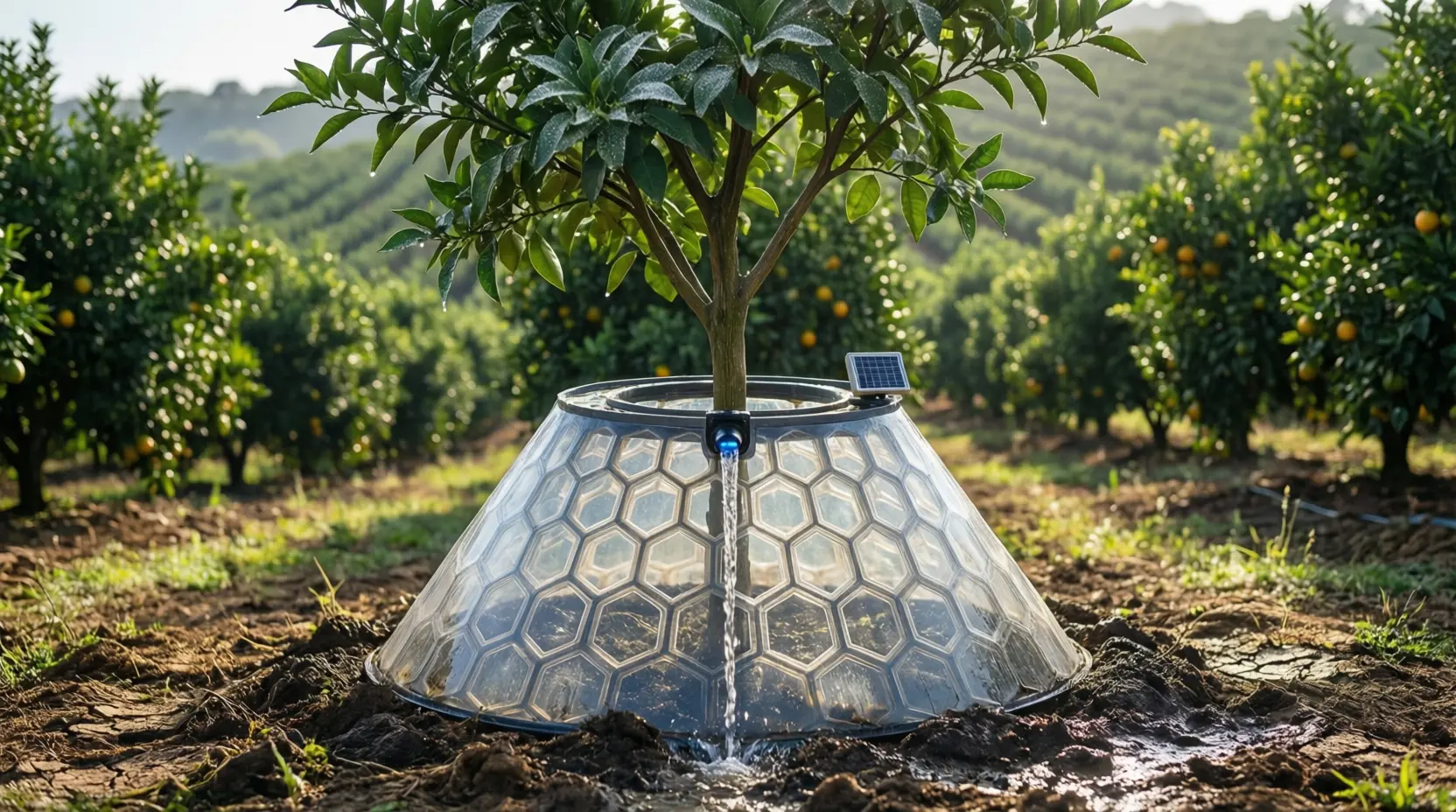
Tree T-Pee is a patented agricultural irrigation device specifically designed to protect young trees while significantly reducing water usage. The product is a cone-shaped, reusable cover that fits around the base of a newly planted tree. Its primary purpose is to deliver water directly to the tree’s root system instead of allowing it to evaporate or run off, which is common with traditional irrigation methods.
One of the standout benefits of the Tree T-Pee system is water conservation. According to the company, the device can reduce water consumption by up to 90 percent per tree. This makes it especially valuable in regions facing drought, high water costs, or strict irrigation regulations. By trapping moisture, fertilizer, and heat around the roots, Tree T-Pee also helps trees grow faster and stronger during their most vulnerable early years.
Beyond water efficiency, Tree T-Pee provides frost protection and weed control. The cone shape shields young trees from cold temperatures while preventing weeds from competing for nutrients. It also reduces the need for chemical herbicides, making it an eco-friendly solution for modern farmers.
Tree T-Pee is primarily used by citrus growers, orchard owners, nurseries, and commercial farms, but it has also gained interest from environmentally conscious landowners. Its simple design, durability, and long-term cost savings have made it a practical and scalable solution in the agriculture industry, laying the foundation for the company’s growing valuation and net worth.
Who Founded Tree T-Pee?
Tree T-Pee was founded by Johnny Georges, a fourth-generation Florida citrus farmer with deep roots in agriculture. Growing up in a farming family, Georges witnessed firsthand the challenges farmers face, particularly rising water costs, environmental regulations, and the struggle to protect young trees during their early growth stages. These real-world problems inspired him to search for a simple, affordable, and sustainable solution.
The idea for Tree T-Pee came from Georges’ desire to conserve water while keeping his citrus trees healthy. After years of experimenting on his own farm, he developed the cone-shaped irrigation cover that would later become the Tree T-Pee product. Unlike complex irrigation systems, his invention focused on efficiency and simplicity, making it accessible to small and large-scale farmers alike.
Despite having a promising product, Georges faced significant obstacles in bringing Tree T-Pee to market. Limited funding, lack of large-scale manufacturing resources, and minimal marketing exposure made it difficult to expand beyond local sales. For years, he relied on word-of-mouth recommendations and small farming networks to sell his product.
Everything changed when Johnny Georges appeared on Shark Tank. His emotional pitch, centered on helping farmers rather than maximizing profits, resonated strongly with viewers and investors. Georges’ authenticity, combined with the practical value of Tree T-Pee, helped elevate the brand to a national level. Today, Johnny Georges is recognized not only as an inventor but also as a passionate advocate for water conservation, playing a crucial role in Tree T-Pee’s growth and overall net worth.
Tree T-Pee on Shark Tank
Tree T-Pee gained national attention after appearing on the popular television show Shark Tank, a moment that significantly changed the company’s trajectory. Johnny Georges entered the Tank seeking an investment to help scale production and expand distribution. During his pitch, he emphasized that Tree T-Pee was not just a business, but a mission-driven product designed to save water and support struggling farmers.
The Sharks were initially skeptical due to Georges’ emotional presentation and his reluctance to focus on aggressive profit margins. However, the product’s real-world benefits, strong customer feedback, and proven water-saving results quickly shifted the conversation. Georges explained how Tree T-Pee could reduce water usage by up to 90 percent while also protecting young trees from frost and weeds.
After intense questioning, Kevin O’Leary—also known as “Mr. Wonderful”—saw long-term value in the product’s sustainability focus. He offered Johnny Georges a deal that included an investment in exchange for equity and a royalty structure, allowing the business to grow while ensuring financial returns. Georges accepted the offer, securing one of the most memorable deals in Shark Tank history.
Following the episode’s airing, Tree T-Pee experienced a surge in brand awareness and sales. Farmers across the United States learned about the product, and inquiries increased dramatically. The exposure from Shark Tank helped legitimize Tree T-Pee as a viable agricultural solution, laying the groundwork for higher revenue, expanded production, and a stronger company valuation that continues to influence Tree T-Pee’s net worth today.
Tree T-Pee Net Worth (Current Estimate)
Estimating Tree T-Pee net worth requires analyzing several factors, including revenue, brand value, market demand, and long-term growth potential. As a privately held company, Tree T-Pee does not publicly disclose its financial statements, but industry estimates and media reports provide insight into its valuation.
At the time of its Shark Tank appearance, Tree T-Pee was valued at a modest level, reflecting its early-stage operations and limited distribution. However, the exposure from the show dramatically increased product demand, allowing the company to scale production and reach a broader customer base. Post-Shark Tank, Tree T-Pee expanded beyond Florida citrus farms into orchards, nurseries, and commercial farms across multiple states.
Based on estimated annual sales, repeat customers, and ongoing market demand for water-saving agricultural technology, Tree T-Pee’s current net worth is believed to be in the low-to-mid seven-figure range. This valuation accounts for product sales, intellectual property, brand recognition, and long-term sustainability value. The company’s focus on a single, highly effective product has helped maintain manageable operating costs and steady profit margins.
Another important factor influencing Tree T-Pee’s net worth is the increasing global emphasis on water conservation. As climate change, droughts, and water regulations impact farming practices, solutions like Tree T-Pee become more valuable. This growing relevance strengthens the company’s position in the agricultural market.
While exact numbers may vary, Tree T-Pee’s net worth reflects a successful transition from a small family farm invention to a nationally recognized agri-tech brand with long-term growth potential.
Tree T-Pee Revenue Streams
Tree T-Pee’s financial success is driven by a straightforward yet effective revenue model centered on product sales and long-term customer relationships. The company primarily generates income through the direct sale of its patented Tree T-Pee irrigation devices. These units are sold individually and in bulk, with large orders typically coming from commercial farms, orchards, nurseries, and agricultural operations that plant thousands of trees each year.
Bulk sales play a major role in Tree T-Pee’s revenue, as large-scale farmers often purchase the product in high volumes to reduce overall irrigation costs. Because the Tree T-Pee device is reusable and durable, customers view it as a long-term investment rather than a recurring expense. This value proposition helps justify upfront costs while encouraging repeat purchases as farms expand or replant.
Another important revenue stream comes from agricultural partnerships and distributors. Tree T-Pee collaborates with farming supply companies and agricultural networks to reach a wider audience. These partnerships allow the brand to expand into new regions without significantly increasing marketing expenses.
In addition, Tree T-Pee benefits from its strong brand recognition following Shark Tank. The exposure continues to drive organic sales through online platforms and direct inquiries from farmers seeking water-efficient solutions. While the company does not rely heavily on licensing or subscriptions, its focus on a single, specialized product keeps operations lean and profitable.
Overall, Tree T-Pee’s revenue streams are closely tied to sustainability trends and agricultural needs. As water conservation becomes a priority worldwide, demand for efficient irrigation solutions supports steady revenue growth and positively impacts Tree T-Pee’s net worth over time.
Business Model & Operating Costs
Tree T-Pee operates on a lean and focused business model designed to maximize efficiency while keeping operating costs relatively low. The company centers its operations around a single patented product, which reduces complexity in manufacturing, inventory management, and marketing. This streamlined approach has played a key role in maintaining healthy profit margins and supporting long-term financial stability.
Manufacturing costs represent one of Tree T-Pee’s primary expenses. The product is made from durable, recyclable plastic, which ensures longevity and reusability for customers. While material and production costs fluctuate with market conditions, the simplicity of the design helps control expenses. Large production runs further reduce per-unit costs, improving profitability as sales volume increases.
Distribution and logistics are another important cost factor. Tree T-Pee products are shipped directly to customers or through agricultural supply partners. By limiting the number of distribution channels, the company avoids excessive warehousing and transportation expenses. Much of Tree T-Pee’s marketing relies on word-of-mouth, industry exposure, and its continued association with Shark Tank, minimizing the need for costly advertising campaigns.
Administrative costs, including staffing and operations, remain relatively modest compared to larger agri-tech firms. This allows more revenue to be reinvested into production improvements and business growth. Additionally, the product’s durability reduces customer service and replacement costs over time.
Overall, Tree T-Pee’s business model emphasizes sustainability, efficiency, and cost control. This balanced structure supports steady cash flow, reduces financial risk, and strengthens the company’s overall valuation and net worth.
Impact of Shark Tank on Business Growth
The appearance of Tree T-Pee on Shark Tank marked a turning point in the company’s growth and financial trajectory. Before the show, Tree T-Pee operated on a relatively small scale, selling primarily to local and regional farmers through limited distribution channels. While the product was effective, its reach was constrained by low brand awareness and modest marketing resources.
After the episode aired, Tree T-Pee experienced a significant surge in visibility. Millions of viewers were introduced to the product, many of whom were farmers, agricultural suppliers, or environmentally conscious consumers. This exposure led to a sharp increase in website traffic, inquiries, and bulk orders from across the United States. The Shark Tank brand association also added credibility, making potential buyers more confident in the product’s reliability and effectiveness.
Kevin O’Leary’s involvement further strengthened Tree T-Pee’s business prospects. His expertise in scaling consumer and industrial products helped refine pricing strategies and operational efficiency. The royalty-based structure of the deal allowed the company to grow without excessive pressure to compromise its mission of helping farmers conserve water.
Beyond immediate sales growth, Shark Tank opened doors to long-term opportunities. Tree T-Pee gained access to new partnerships, media coverage, and agricultural networks that would have been difficult to reach independently. The show also positioned Tree T-Pee as a leader in sustainable farming solutions at a time when environmental concerns were becoming increasingly important.
Overall, the Shark Tank appearance accelerated Tree T-Pee’s expansion, strengthened its brand, and played a major role in increasing revenue and boosting Tree T-Pee’s net worth.
Environmental and Sustainability Value
One of the strongest factors contributing to Tree T-Pee’s long-term success is its environmental and sustainability value. As global water shortages and climate-related challenges continue to affect agriculture, farmers are under increasing pressure to adopt water-efficient solutions. Tree T-Pee directly addresses this need by drastically reducing water consumption during the critical early growth stages of trees.
The Tree T-Pee device conserves water by directing moisture straight to the root zone and preventing evaporation. This efficiency not only lowers water usage but also reduces energy costs associated with pumping and irrigation systems. For farmers operating on thin profit margins, these savings can be substantial over time, making Tree T-Pee both an environmentally responsible and financially practical investment.
In addition to water conservation, Tree T-Pee supports sustainable farming practices by reducing the need for herbicides. The cone-shaped cover blocks sunlight from reaching weeds, limiting their growth without chemical intervention. This contributes to healthier soil, reduced chemical runoff, and improved long-term land productivity.
Tree T-Pee also helps protect young trees from frost and temperature fluctuations, increasing survival rates and reducing replanting costs. Healthier trees grow faster and produce yields sooner, further enhancing the product’s value proposition.
As governments and agricultural organizations increasingly promote sustainable farming through incentives and regulations, products like Tree T-Pee become more attractive. This alignment with environmental priorities strengthens the company’s brand image, drives demand, and positively impacts Tree T-Pee’s net worth by positioning it as a future-focused agricultural solution.
FAQs About Tree T-Pee Net Worth
What is Tree T-Pee’s net worth?
Tree T-Pee’s exact net worth is not publicly disclosed because it is a privately owned company. However, based on estimated revenue, product demand, and brand value, Tree T-Pee’s net worth is generally believed to be in the low-to-mid seven-figure range.
Did Tree T-Pee get a deal on Shark Tank?
Yes, Tree T-Pee secured a deal on Shark Tank with Kevin O’Leary. The agreement included an investment in exchange for equity and a royalty structure, which helped the company scale while maintaining its mission-driven focus.
Is Tree T-Pee still in business?
Yes, Tree T-Pee is still in business and continues to sell its water-saving irrigation products to farmers, orchards, and agricultural operations across the United States.
How much revenue does Tree T-Pee make per year?
While exact revenue figures are not publicly available, Tree T-Pee generates income through direct product sales and bulk agricultural orders. Annual revenue is estimated to be in the seven-figure range, depending on market demand and sales volume.
Who owns Tree T-Pee?
Tree T-Pee was founded by Johnny Georges, who remains the primary owner. Kevin O’Leary holds a stake in the company as part of the Shark Tank investment deal.
Why is Tree T-Pee considered valuable?
Tree T-Pee is valuable because it addresses critical agricultural challenges such as water conservation, frost protection, and cost efficiency. Its sustainability focus and proven effectiveness make it increasingly relevant in today’s farming industry.
Conclusion
Tree T-Pee’s journey from a simple farm-based invention to a nationally recognized agricultural product highlights the power of innovation driven by real-world problems.
Founded by Johnny Georges, the company was built with a clear mission: to help farmers conserve water, reduce costs, and protect young trees.
That mission, combined with a practical and effective product, laid the foundation for long-term business success.
The exposure from Shark Tank played a major role in accelerating Tree T-Pee’s growth, boosting brand awareness, and expanding its customer base across the United States.
Since then, the company has benefited from rising demand for sustainable farming solutions, lean operating costs, and a strong reputation within the agricultural community.
These factors have contributed to a steadily growing valuation and a net worth estimated in the low-to-mid seven figures.
As water conservation and environmental responsibility become increasingly important in agriculture, Tree T-Pee remains well-positioned for future growth.
Its simple yet impactful design, coupled with a focused business model, gives it lasting relevance in the agri-tech market.
Overall, Tree T-Pee stands as a strong example of how purpose-driven innovation can create both environmental impact and financial success.